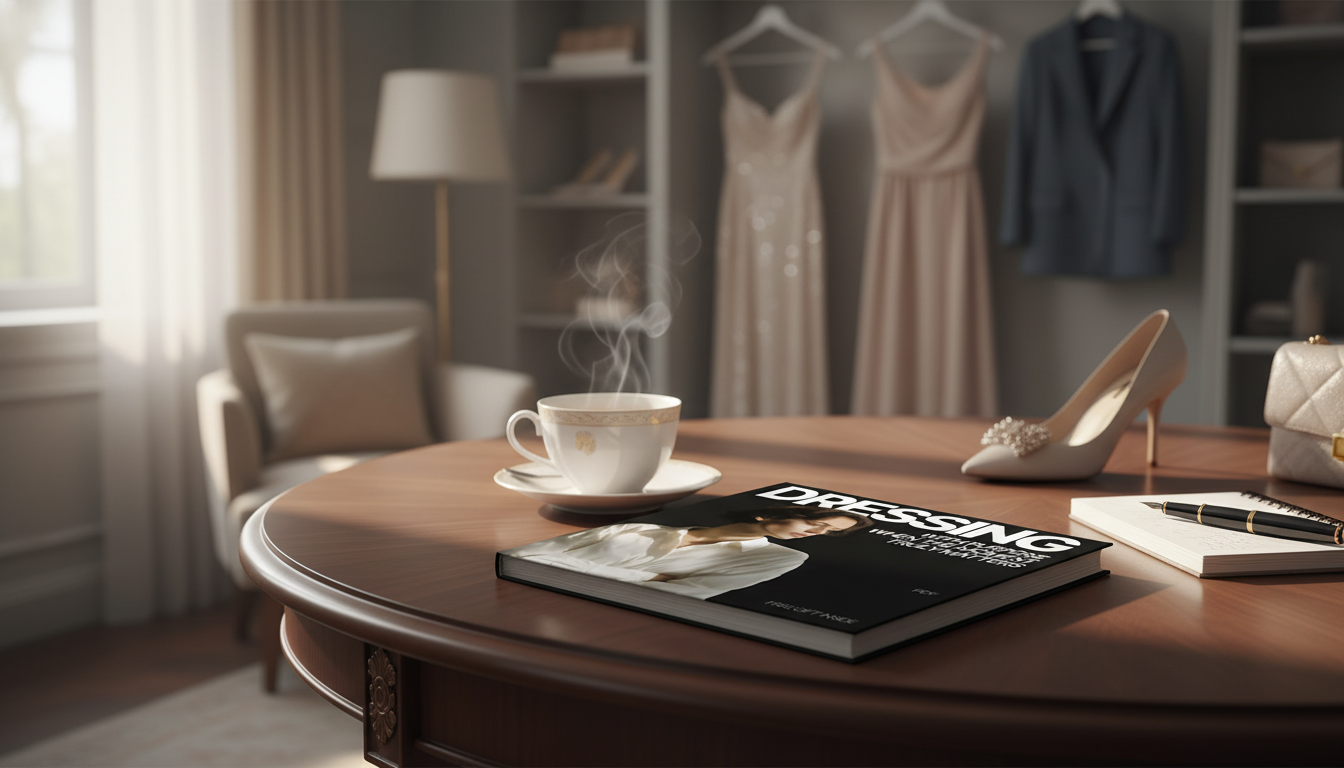
Special events ask for more than a nice outfit—they call for a plan that matches the setting, photographs well, and feels comfortable for hours. A purpose-built wardrobe list keeps decisions simple: clarify the event expectations, choose a reliable base look, then build support pieces (shoes, layers, accessories, grooming, and backups) so the day runs smoothly from arrival to last photo.
Before shopping (or even pulling items from your closet), define what the occasion needs from you. The clearest path to looking appropriate—and feeling confident—is understanding the event category, your role, and the environment you’ll be moving through.
For weddings in particular, etiquette guidance can help confirm what “appropriate” looks like for the location and time of day. The Emily Post Institute’s wedding guest etiquette is a practical reference when you’re unsure.
| Event setting | Best base pieces | Support items to add | Common pitfalls to avoid |
|---|---|---|---|
| Daytime wedding (outdoors) | Midi dress or tailored suit in lighter fabric | Block heels or dressy flats, sunglasses, light wrap, anti-chafe | Thin straps without a layer, heels that sink into grass |
| Evening cocktail event | Cocktail dress or sleek separates | Clutch, statement jewelry, layering blazer, dress socks/hose | Over-accessorizing, uncomfortable shoes for standing |
| Black-tie or gala | Floor-length gown or tux/dinner jacket | Formal shoes, shawl, fashion tape, lint roller | Wrinkles, visible undergarment lines, ignoring coat check needs |
| Memorial/service | Muted dress, suit, or polished separates | Comfortable closed-toe shoes, minimal jewelry, tissues | Bright colors, loud prints, overly casual fabrics |
| Interview or speaking role | Structured blazer + trousers/skirt; simple dress | Portfolio bag, neutral shoes, watch, extra layer | Shiny fabrics on camera, overly trendy silhouettes |
Start with one “hero” piece—the item that does most of the work. When the base fits and functions well, the rest of the outfit becomes simple refinement rather than problem-solving.
If you’re unsure why certain dress codes feel “set,” it helps to know they’re grounded in long-standing social signals and tradition. The British Council overview of dress codes provides useful context when invitations use unfamiliar terms.
One of the most common special-event frustrations is being dressed correctly for the first location and completely wrong for the next. A layer plan fixes that.
For fast decision-making, aim for a “repeatable layer” you can rely on: a blazer that sharpens a dress, a wrap that elevates sleeveless looks, or a tailored coat that doesn’t overwhelm eveningwear.
Footwear and the right bag quietly determine how long you can stay comfortable—and how calm you’ll feel while doing it.
A small repeatable set is usually enough: 3–4 core looks (daytime, cocktail, formal, and polished separates), plus 2 pairs of event-appropriate shoes and coordinating layers. Rewearing becomes effortless when everything follows a consistent color strategy.
Pack a stain remover pen, fashion tape, safety pins, a mini sewing kit, blister care, heel grips, a compact lint roller, tissues, blotting papers, and a small deodorant. Tailor it to the venue (outdoor vs. indoor) and how long you’ll be away from home.
Focus on fit and finishing: tailor or pin for clean lines, steam or press thoroughly, and coordinate shoes and bag for a cohesive look. Add one intentional piece of jewelry, ensure undergarments disappear under fabric, and finish with a refined outer layer.



Leave a comment