Automatic Car Wash Guide: Touchless vs Soft-Cloth
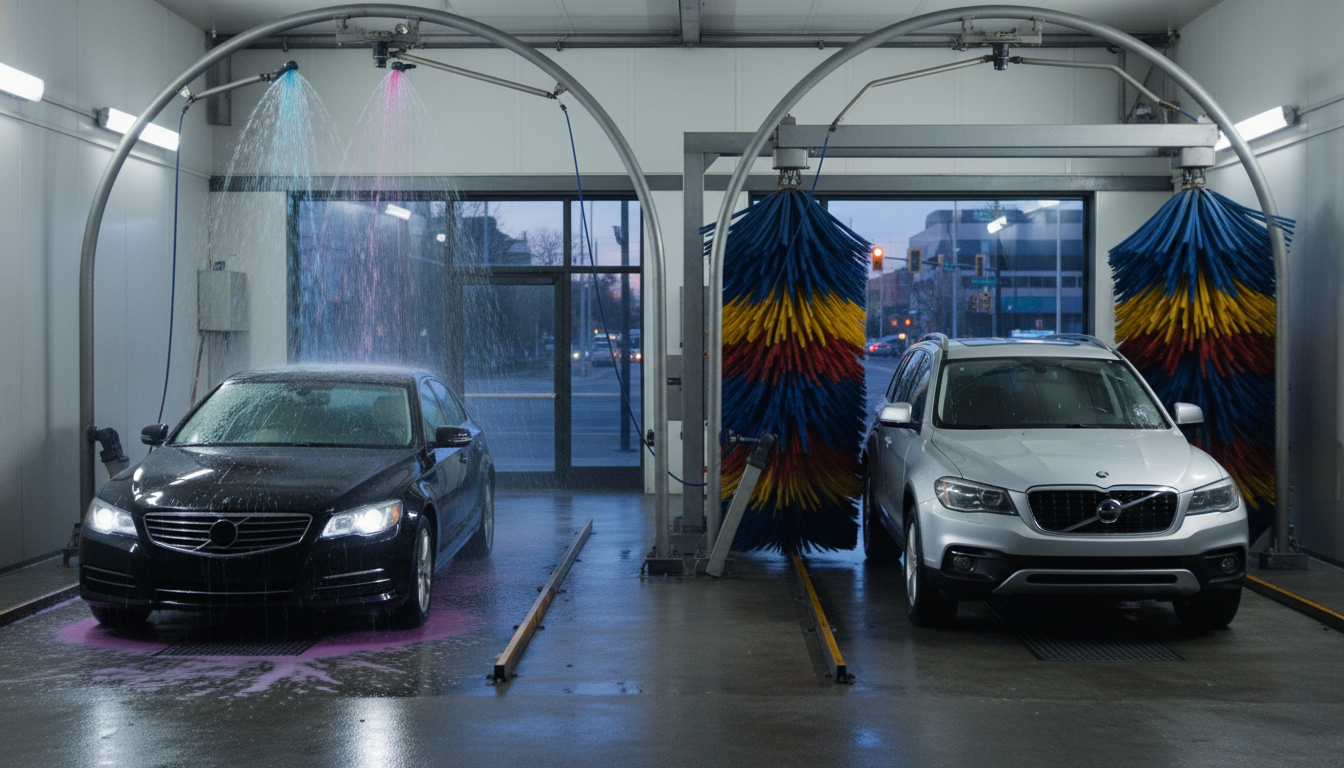
Shine Smart or Skip It: A Practical Automatic Car Wash Guide for Busy Drivers
Automatic car washes can be a real time-saver, but the “right” wash depends on what’s on your paint, what kind of wash you’re entering, and what your vehicle has attached to it (trim, sensors, accessories, wraps). Use the quick decision rules below to avoid unnecessary swirls, protect vulnerable areas like door jambs and undercarriage, and still keep the routine fast enough for a packed week.
Decide in 60 Seconds: Wash Now or Wait?
- Wash now if there’s salt film, bug splatter, bird droppings, tree sap, heavy pollen, or construction dust—these can etch or stain if left too long.
- Wait (or do a quick spot clean) if the car is only lightly dusty and rain is expected soon; save the wash for when contamination is real.
- Prioritize an underbody wash after driving in winter salt, coastal air, or muddy conditions.
- If the paint is already swirled and unprotected, choose the gentlest option available and plan to add protection (spray sealant or wax) soon after.
- If there are known issues (loose trim, damaged antenna, peeling PPF edges), avoid contact washes and pick touchless or hand wash.
Fast choice guide: which wash fits the situation?
| Situation | Best pick | Why it helps | Watch-outs |
|---|---|---|---|
| Winter road salt / slush | Touchless + underbody rinse | Reduces corrosive salt buildup | Avoid skipping underbody; dry door jambs after |
| Bug season / highway trips | Pre-soak + touchless or soft-cloth with bug prep | Loosens proteins that can etch clear coat | Don’t scrub bugs dry; rewash if residue remains |
| Weekly maintenance on protected paint | Soft-cloth (well-maintained) or touchless | Keeps routine quick without heavy abrasion | If brushes look dirty or stiff, switch locations or go touchless |
| Fresh wax/sealant/ceramic maintenance | Touchless or gentle soft-cloth + rinse aid | Preserves protection and gloss | Avoid harsh “degreaser” or high-alkaline add-ons too often |
| After mud/off-road | Self-serve rinse first, then touchless | Pre-rinse removes grit that can cause scratching | Don’t go straight into a friction wash with caked grit |
| Loose trim / fragile accessories | Touchless or self-serve | Minimizes mechanical contact | Remove add-ons (magnetic signs, roof cargo) before any tunnel wash |
Know the Main Wash Types (and What They Mean for Paint)
- Touchless: High-pressure water + stronger detergents. Great for reducing swirl risk, but can leave a light road-film haze if chemistry or water quality is weak.
- Soft-cloth/foam friction: Often better at removing traffic film. Risk depends heavily on equipment condition, media cleanliness, and how the wash is maintained day-to-day.
- Brush friction: Typically the highest risk for noticeable micro-marring; consider skipping unless the wash is exceptionally well-run and the finish isn’t a priority.
- Self-serve bays: Maximum control for the money. Safest when you do a thorough pre-rinse and avoid (or carefully inspect/clean) the provided brush.
- Mobile/hand wash: Best for finish preservation when done correctly; the tradeoffs are cost and scheduling.
If you’re trying to keep it simple: touchless is your “low-risk default,” soft-cloth is your “film-removal tool,” and anything with stiff brushes is your “only if you’re comfortable with it” option.
Before the Wash: A Quick Prep Checklist That Prevents Problems
- Remove or secure anything that can detach: removable antennas, hitch covers, loose license plate frames, and fragile trim pieces.
- Fold mirrors if the vehicle manual recommends it for automatic washes; close all windows and the sunroof fully.
- Disable automatic wipers and rain-sensing mode to prevent dry wiping.
- If possible, do a 30-second pre-rinse at a self-serve bay to knock off grit—especially after rain + dust (abrasive slurry).
- Check fuel door and charge port (EV/PHEV) closures; confirm they are locked/closed before entering the tunnel.
- For matte or satin finishes, avoid wax add-ons unless explicitly labeled safe for matte paint.
Pick the Right Package Add-Ons (What’s Worth It and What’s Not)
After the Wash: Drying and Touch-Ups That Keep the Finish Looking New
For a research-backed approach to responsible washing and runoff, the U.S. EPA’s stormwater guidance is a helpful reference. For general upkeep habits beyond washing, AAA’s maintenance resources are a solid starting point. Industry basics on professional wash practices can be found via the International Carwash Association.
Smart Car Care Rhythm for Busy Schedules
A Shortcut: A Ready-Made Checklist and AI-Assisted Maintenance Prompts
If you want a compact routine you can reference at the wash or in a parking lot, see Shine Smart or Skip It – Automatic Car Wash Guide and Smart Car Care Checklist.
For drivers who like structured systems (not just for cars), The Long-Game Mindset pairs well with any maintenance routine: fewer random “catch-up” chores, more consistent habits.
FAQ
Are touchless car washes safer for paint than soft-cloth washes?
Touchless washes generally reduce swirl risk because nothing physically rubs the paint, but they often rely on stronger chemicals and may leave light film if conditions aren’t ideal. Soft-cloth can clean road film better, yet the real risk depends on how clean and well-maintained the wash media and equipment are.
How often should a busy driver wash a car?
Aim for every 2–4 weeks for normal conditions, and wash sooner when you see salt, bugs, bird droppings, or sap. In winter salt or coastal areas, prioritize more frequent washes with underbody rinses to limit corrosion.
What should be avoided before going through an automatic car wash?
Avoid going through with loose trim, fragile accessories, roof cargo, or anything that can snag (including some antennas and hitch add-ons). Also disable rain-sensing/automatic wipers, confirm the fuel door or EV charge port is closed, and choose touchless if you’re unsure about your vehicle’s condition.












Leave a comment