
Big sale events can be a mix of true price drops, short-lived Lightning Deals, and discounts that look better than they are. A simple, repeatable process helps separate real savings from marketing noise—especially during Prime Day. The checklist below is designed to help verify price history, compare sellers, confirm you’re looking at the right version, and avoid common traps so purchases stay intentional and budget-friendly.
A real deal lowers the total cost for the exact item you actually want—same model number, size, count, color, and included accessories. If any of those details change, you’re no longer comparing the same product, and the “discount” can be meaningless.
A good discount is also measurable: it beats the item’s typical selling price, not just a crossed-out reference price. In retail, list prices can be used in ways that create misleading comparisons; the Federal Trade Commission explains how deceptive pricing can work and what “former price” claims should represent (FTC Guides Against Deceptive Pricing).
Finally, a deal can still be a bad buy if it creates waste—like the wrong size pack, incompatible accessories, or a stripped-down variant with fewer features. Treat “limited time” messaging like a timer, not proof of savings. Verification comes first.
Use this quick scan before you spend time comparing prices:
The most reliable approach is to compare today’s price to the item’s typical price, not just the crossed-out “was” price. If the item sells at the “sale” price most weeks, it’s not a special opportunity—it’s the normal price wearing a costume.
Use multiple reference points when possible: competitor pricing, the brand’s MSRP, and how frequently the item goes on sale. Be cautious with refreshed listings that reset the context—sometimes a new listing can make it harder to see prior pricing patterns or can blend reviews across multiple versions.
For groceries, household items, and supplements, unit price is often the fastest truth-teller. Compare per ounce, per count, or per serving. A bigger-looking percent off can still be a worse value than a competing brand or a different pack size.
Bundles deserve extra scrutiny: calculate what you’d pay for the main item alone, then decide whether you truly would have purchased the add-ons anyway. Also check compatibility and future costs (refills, proprietary batteries, subscriptions, special connectors). Those “later” expenses can erase the savings quickly.
If you’re shopping Lightning Deals, remember they’re time-limited promotions—not automatic bargains. Know the rules and limits so you can verify without panic (see About Lightning Deals).
| Check | What to look for | Pass/Fail |
|---|---|---|
| Exact item match | Same model/size/count/variant | ___ |
| Typical price vs today | Today is lower than the common price, not just MSRP | ___ |
| Unit price | Better price per unit than alternatives | ___ |
| Seller credibility | Reputable seller + clear return policy | ___ |
| Total cost | Shipping/taxes/coupons included | ___ |
| Future costs | Refills/subscriptions/accessories won’t erase savings | ___ |
| Timing pressure | Decision still makes sense without the timer | ___ |
Use this simple table layout for a one-page printout (or recreate it in a notes app) so you can evaluate deals quickly on mobile:
| Step | Action | Result |
|---|---|---|
| 1 | Match model/variant and pack size | ☐ Pass ☐ Fail |
| 2 | Compare against typical selling price (not only list price) | ☐ Pass ☐ Fail |
| 3 | Compute unit price and compare alternatives | ☐ Pass ☐ Fail |
| 4 | Check seller reputation + returns + warranty | ☐ Pass ☐ Fail |
| 5 | Confirm final price at checkout (coupons/taxes/shipping) | ☐ Pass ☐ Fail |
| 6 | Identify hidden future costs (refills, subscriptions, accessories) | ☐ Pass ☐ Fail |
If you want a ready-to-use option, this internal download is designed to be printed or saved to your phone for quick reference: Printable checklist to spot real deals on Amazon.
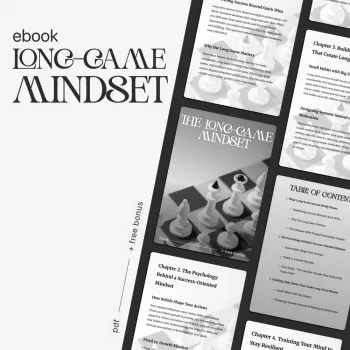
For shoppers who want a stronger “pause before you buy” habit that lasts beyond Prime Day, consider pairing the checklist with The Long-Game Mindset to reinforce intentional spending and reduce impulse purchases when timers and countdown badges show up.
List price (MSRP) isn’t the same as the typical selling price. Confirm savings by comparing today’s price to what the item usually sells for, checking competitor prices, and using unit cost when pack sizes vary.
Use unit price (per ounce, per count, or per serving) and make sure you’re comparing the exact variant. Then verify the final total at checkout after coupons, taxes, and shipping are applied.
They can be, but check seller ratings, delivery timelines, return terms, and whether the warranty is valid for your region. For higher-risk categories, favor “Sold by Amazon” or clearly authorized sellers to reduce counterfeit and support issues.






Leave a comment