Speak Up: Your Guide to Confident Communication for Work, Life & Everyday Conversations
Confident communication is a learnable skill—not a personality trait. With a few reliable tools, it becomes easier to share ideas clearly, set boundaries without guilt, handle disagreement calmly, and speak in groups without freezing. Instead of trying to “be more confident,” focus on simple building blocks you can repeat: mindset, structure, body language, listening, and a handful of scripts that work in common situations.
What Confident Communication Looks Like (and What It Isn’t)
Confidence tends to sound clear and grounded: a steady pace, direct wording, and a calm tone. It’s not about speaking louder or sounding tougher. Assertive communication balances respect and clarity—you state needs without apologizing for having them.
A few common “confidence killers” show up in everyday conversations: over-explaining, hinting instead of asking, minimizing language (“just,” “sorry to bother”), and avoiding silence. A helpful way to measure progress is by outcomes: shorter messages, cleaner requests, fewer follow-up clarifications, and less rumination after the conversation ends.
Quick Self-Check: Pinpoint What’s Holding Speech Back
Different situations trigger different blockers. Nerves often show up as racing thoughts or a shaky voice; people-pleasing can make boundaries feel “mean”; perfectionism delays your point until the moment passes; status dynamics make it hard to speak around senior teammates; conflict avoidance pushes important conversations into “later.” The goal is not to eliminate discomfort—it’s to act effectively while discomfort is present.
Common blockers and practical fixes
| Blocker | How it shows up | One practical fix |
|---|---|---|
| Over-explaining | Long messages, too many justifications | State the ask in one sentence, then add 1 supporting line |
| Softening language | “Maybe,” “kind of,” “if that’s okay” | Swap for direct but polite verbs: “I recommend…”, “I need…”, “Please…” |
| Rushing | Talking fast to “get it over with” | Pause before key points; aim for one idea per breath |
| Freezing in meetings | No entry point to speak | Use a bridge phrase: “Building on that…”, “One consideration is…” |
| Fear of conflict | Avoiding feedback or boundaries | Use a neutral opener: “Can we align on expectations?” |
The Speak-Up Framework: A Simple Structure for Any Conversation
When nerves hit, structure is a lifeline. A simple framework keeps you from burying the lead or circling your point for too long.
- Start with purpose: One sentence explaining what the conversation is for (decision, update, request, boundary).
- Share a clear point of view: What you recommend, need, or observed—without excessive warm-up.
- Add brief context: One to two facts, examples, or constraints (time, resources, outcomes).
- Make a specific ask: What action is needed, by whom, and by when.
- Close with confirmation: Invite a response or restate next steps to prevent confusion.
This structure works in a hallway chat, an email, or a high-stakes meeting because it reduces cognitive load—for you and the listener.
Body Language and Voice: Make the Message Easier to Receive
Physical cues matter because they influence how your message lands and how steady you feel while delivering it.
- Posture cue: Feet grounded, shoulders relaxed, chin level—steady without rigid.
- Eye contact: Aim for connection, not intensity; in groups, look at one person at a time.
- Voice cue: Slightly slower pace with intentional pauses; end statements with a downward tone to avoid sounding uncertain.
- Breathing reset: Inhale low and slow before speaking; exhale longer than inhale to reduce shakiness.
- Silence as a tool: Pause after making a point to let it land instead of filling space.
Stress can amplify shakiness and racing thoughts; learning a quick reset helps your brain and body sync up again. For a deeper look at how stress affects the body, see the American Psychological Association.
Everyday Scripts That Build Confidence Fast
Workplace Moments: Meetings, Feedback, and Hard Conversations
For ideas, lead with the headline, then one supporting reason, then the ask. For feedback, use observable behavior + impact + request (“When X happened, Y was affected. Next time, can we…”). For more on feedback conversations, Harvard Business Review has a helpful hub on giving and receiving feedback.
Everyday Conversations: Friends, Family, and Social Settings
Putting It Into Practice: A 7-Day Confidence Routine
Digital Guide: Speak Up — What’s Included and Who It Helps
If a quick, practical reference would help you apply these tools in real time, Speak Up: Your Guide to Confident Communication is a digital download designed for repeatable communication skills in professional and everyday settings. It’s especially useful for meeting participation, clearer requests, calmer boundaries, and reducing overthinking after conversations.
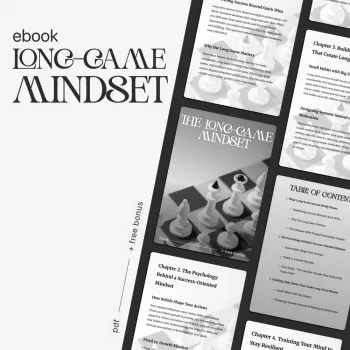
For complementary skill-building around persistence, resilience, and long-term growth (which supports confidence over time), pair it with The Long-Game Mindset.
Voice strain can also affect confidence, especially during frequent calls or presentations; the NIH’s NIDCD offers clear background on voice and speech basics and when to seek support.
At-a-glance product details
| Item | Details |
|---|---|
| Title | Speak Up: Your Guide to Confident Communication |
| Format | Digital guide |
| Best for | Work conversations, everyday communication, confidence-building practice |
| Price | USD 5.99 |
| Availability | In stock |
FAQ
How can confidence in speaking be improved quickly?
Use one repeatable structure (purpose → point → ask), practice it aloud briefly, then apply one script in a real conversation each day. Track small wins like clearer outcomes, fewer follow-ups, and less replaying the conversation afterward.
What is the difference between assertive and aggressive communication?
Assertive communication is clear and respectful: it states needs and boundaries without blaming or intimidation. Aggressive communication prioritizes winning or control and often includes a dismissive tone, threats, or personal attacks.
What should be said when nervous speaking in a meeting?
Use an easy entry line such as “One consideration is…” or ask a clarifying question to get started. Slow your pace, pause, and share one point at a time instead of trying to deliver everything perfectly.