Small Space, Big Order: Apartment Storage That Actually Stays Organized
Small apartments don’t need more square footage to feel calm—just clearer zones, smarter storage, and fewer “homeless” items. The goal isn’t a showroom; it’s a setup where you can find what you need fast, put it away without thinking, and reset the place in minutes even on busy weekdays.
Start with a quick apartment “inventory reset”
Before buying bins or rearranging furniture, clear the exits—anything that’s obviously leaving your apartment. That creates instant breathing room and keeps you from “organizing” items you don’t even want.
- Walk each room with a bag for trash/recycling and a box for donations. Remove the obvious exits first to build momentum.
- Collect items that don’t belong (mail, chargers, shoes, beauty items) into a single “sort later” bin to stop room-to-room migrating clutter.
- Pick one small victory zone (entryway, bathroom sink, or kitchen counter) before tackling deeper storage.
If you want a professional-level framework for getting—and staying—organized, the Small Space, Big Order: The Guide to Apartment Storage eBook lays out a simple sequence that works well for rentals and tight layouts.
Define zones so every item has a home
Most small-apartment mess comes from one issue: too many items don’t have a defined “parking spot.” Zones fix that by making storage decisions predictable.
- Create 5 core zones: entry landing, daily kitchen, daily wardrobe, cleaning/laundry, and paperwork/tech.
- Assign one “primary” home and one “backup” home per category (example: scissors live in a kitchen drawer; a backup pair lives in a small tool pouch).
- Keep the most-used items between shoulder and knee height; store infrequent items up high, down low, or deeper.
Apartment zones and the storage style that fits
| Zone | What belongs here | Best storage approach | Common mistake |
|---|---|---|---|
| Entry landing | Keys, bags, shoes, mail | Wall hooks + slim shoe storage + small tray | Letting mail spread across counters |
| Daily kitchen | Cooking tools, staples, lunch items | Drawer dividers + clear bins + shelf risers | Keeping duplicates “just in case” |
| Daily wardrobe | Weekly outfits, gym wear, sleepwear | Uniform hangers + under-bed bins + vertical folding | Overstuffing one dresser drawer |
| Cleaning & laundry | Detergent, cloths, tools, spare bulbs | Labeled caddy + back-of-door rack | Storing supplies in multiple rooms |
| Paperwork & tech | Bills, warranties, chargers, devices | File box + cable labels + one charging station | A “junk drawer” that never gets reset |
Declutter with a minimalist decision rule (without getting stuck)
Decluttering doesn’t have to be emotional or time-consuming. The trick is to use a rule that’s quick enough to repeat—and strict enough to prevent “maybe” piles from turning into permanent storage.
- Use a simple filter: keep if it is used weekly, truly loved, or solves a real problem that occurs regularly.
- Set a container limit for each category (one bin for cables, one shelf for mugs, one drawer for skincare); the container is the boundary.
- Handle “maybe” items with a 30-day quarantine box; label the date and only retrieve items you actually miss.
- Avoid organizing items that should leave—decluttering first prevents buying more bins to store indecision.
For a more structured wardrobe approach—especially if clothing is a major source of overflow—Using the Clothes You Already Own with AI can help reduce “nothing to wear” shopping and keep the closet aligned with real outfits you actually use.
Small-apartment storage upgrades that don’t require renovations
If you want inspiration from pros, the National Association of Productivity & Organizing Professionals (NAPO) is a reliable resource for practical organizing concepts and standards.
Room-by-room: practical moves for tight layouts
Kitchen
Bathroom
Keep one “daily” basket on the counter and move backups to a labeled bin under the sink. This prevents the classic small-bathroom problem where every product lives out in the open because it’s “used sometimes.” For cleaning safety basics, follow the CDC’s household cleaning guidance—especially for disinfecting high-touch surfaces.
Bedroom
Living room
Closet
A maintenance rhythm that prevents re-cluttering
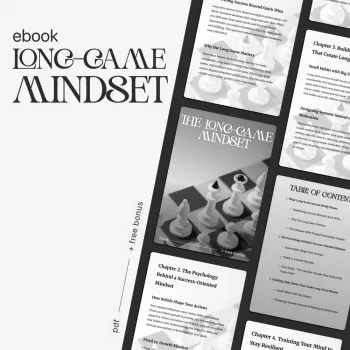
When motivation dips, it helps to anchor the routine to a mindset that favors consistency over perfection. The Long-Game Mindset is a solid companion for building sustainable habits—useful when you’re trying to keep a small home running smoothly without constant effort. For additional evidence-based stress supports, the American Psychological Association’s stress resources can help you choose calming routines that fit real life.
A guided plan to set up your apartment’s storage system
- For a step-by-step approach with prompts, checklists, and a clear sequence that works for rentals and small layouts, use: Small Space, Big Order: The Guide to Apartment Storage.
- Focus on building a repeatable system (zones + container limits + simple maintenance) rather than a one-time deep clean.
FAQ
How can a small apartment stay organized when there isn’t enough closet space?
Prioritize storage by frequency: keep daily-use items in the easiest-to-reach spots and move seasonal or rarely used items to higher shelves, under-bed bins, or over-the-door organizers. Add vertical and hidden capacity, and use container limits so overflow becomes an automatic signal to edit.
What is the fastest way to declutter an apartment without making a bigger mess?
Do a quick trash/recycling and donation pass first, then use one “sort later” bin for items that don’t belong in the room. Finish by resetting a single small zone (like the entry or a counter) so the space looks better immediately—then keep removing items before buying organizers.
How often should apartment storage systems be reset?
A simple cadence works best: a daily 2–5 minute reset, a weekly 15–30 minute sweep, and a monthly category review using your container limits. Most systems drift with seasons and routine changes, so light, regular resets prevent big cleanups later.