Night Skincare Steps: Simple Order for Clearer Skin
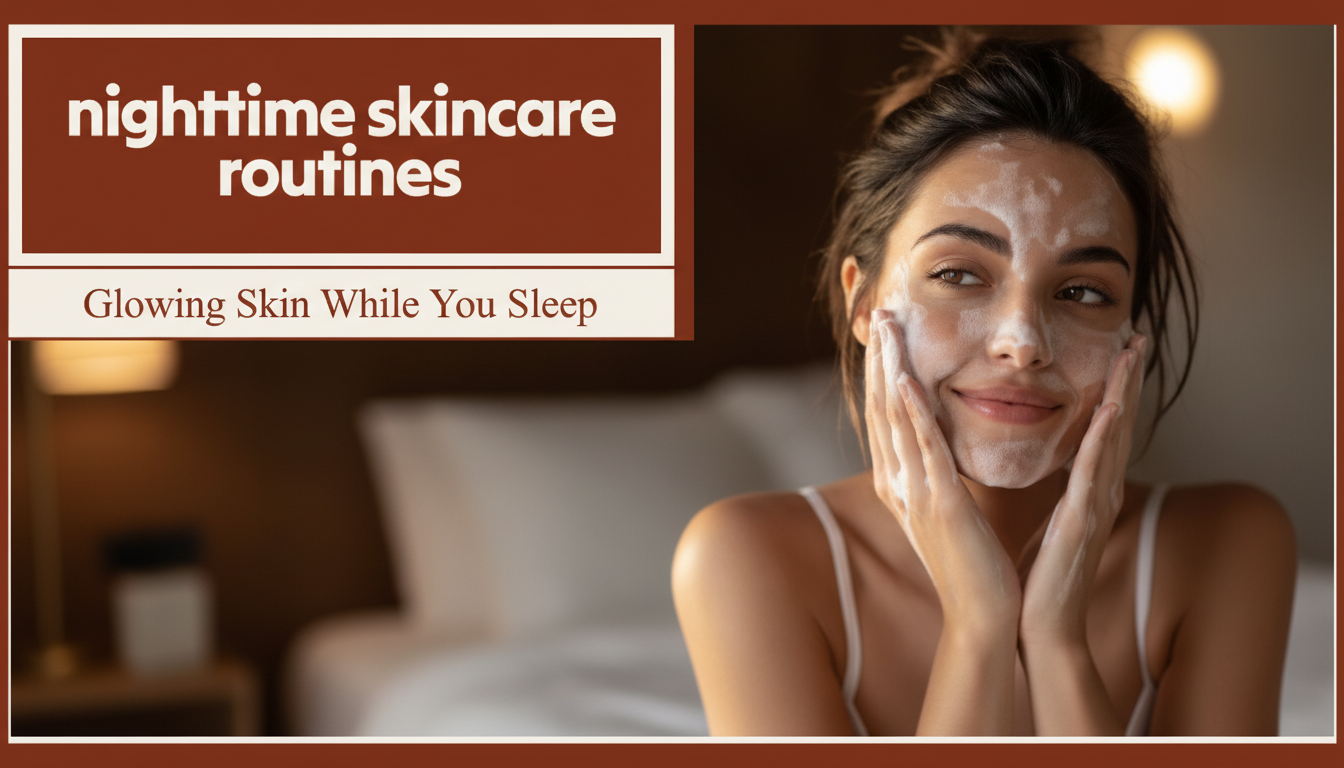
What are the steps of night skincare?
A solid night skincare routine follows a simple order: remove the day, cleanse thoroughly, treat with targeted actives, lock in hydration, and finish with protection for delicate areas. The exact products can vary by skin type, but the sequence matters because it helps each layer absorb and work effectively while you sleep.
Answer
Here are the common steps of night skincare, arranged in an easy-to-follow flow:
1) Remove makeup and sunscreen
Start by breaking down makeup, SPF, and excess oil with a cleansing balm, oil cleanser, or micellar water. This prevents residue from interfering with the rest of your routine.
2) Cleanse (your main wash)
Use a gentle facial cleanser to lift away remaining buildup. If you wore heavy makeup or water-resistant sunscreen, a double cleanse (oil-based then water-based) can leave skin noticeably cleaner without harsh scrubbing.
3) Optional: exfoliate (not every night)
Use a chemical exfoliant (like AHA/BHA) or a mild exfoliating product a few nights per week, depending on tolerance. Avoid combining exfoliation with strong retinoids on the same night if your skin is easily irritated.
4) Tone or use an essence (optional)
A hydrating toner or essence can add lightweight moisture and help soften skin, especially if you’re prone to dryness after cleansing.
5) Apply treatments/serums
This is where you use targeted products, such as niacinamide for oil balance, hyaluronic acid for hydration, or a brightening serum for uneven tone.
6) Retinoid or night treatment (if used)
Retinol/retinoids are typically applied at night. Start slowly (1–3 nights weekly), then increase as tolerated, and follow with moisturizer to reduce dryness.
7) Moisturize
Seal everything in with a moisturizer suited to your skin type. Dry skin may prefer richer creams, while oily skin often does well with lighter gel-creams.
8) Eye cream (optional)
If you use one, apply a small amount around the orbital bone to help hydrate and support the delicate eye area.
9) Face oil or sleeping mask (optional final layer)
For extra nourishment, finish with a few drops of face oil or a sleeping mask to reduce overnight moisture loss.
For a detailed, product-friendly walkthrough, visit the complete guide: 10-Step Night Skincare Routine Bundle for Glowing Skin.
FAQ
Should I use retinol every night?
Not at first. Begin 1–3 nights per week and increase gradually as your skin adjusts; daily use can cause dryness or irritation for many people.












Leave a comment