Timeless Watch Looks: Strap Pairings, Fit & Style Tips
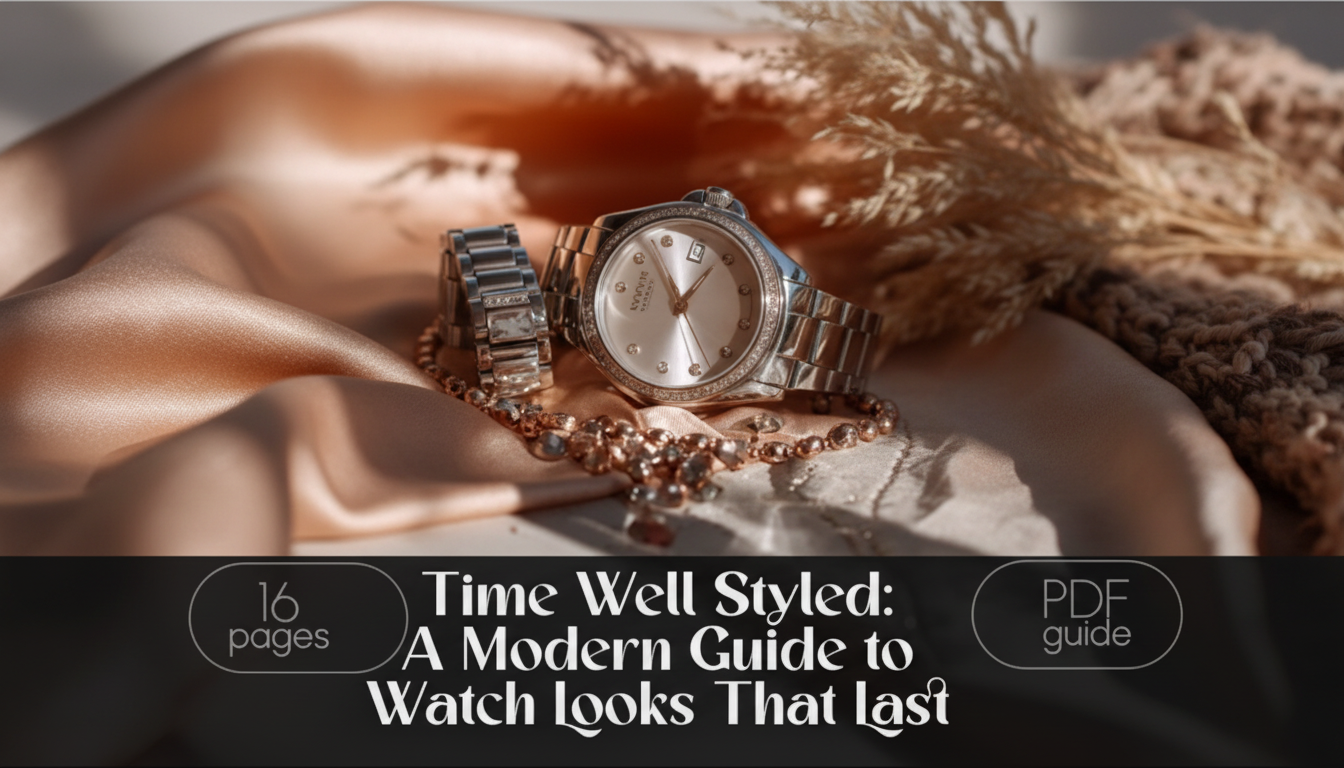
A watch can anchor an outfit, signal taste, and still feel relevant years later when the trends move on. The most enduring watch looks come from a few repeatable choices—case shape, dial clarity, strap material, and how those elements match daily routines and dress codes. This guide focuses on building wearable combinations, starting a small but versatile collection, and keeping pieces looking sharp over time. For more guidance, see A Man’s Guide to Wristwatches: How to Choose a Watch.
The building blocks of an enduring watch look
“Timeless” rarely means flashy. It usually means easy to read, comfortable to wear, and flexible enough to pair with what’s already in the closet. Get these fundamentals right and almost any style lane—dress, sport, vintage, or casual—starts to look intentional. For further reading, see What are the Different Types of Watches? A Comprehensive Guide.
- Prioritize legibility: clean markers, balanced proportions, and a dial color that works with most wardrobes.
- Choose versatile case sizes: aim for a diameter that sits within the wrist edges and a thickness that slides under cuffs.
- Match formality with finishing: polished cases read dressier; brushed finishes feel casual and hide scratches better.
- Decide on complications with intent: a date window adds daily utility; chronographs and rotating bezels add visual weight and sport cues.
- Treat the strap as half the design: changing straps can transform the same watch across settings.
Quick pairing guide: style cues and where they work
| Watch style cue | Best matches | Where it fits |
|---|---|---|
| Minimal dial + leather strap | Tailored outfits, monochrome looks | Office, dinners, weddings |
| Steel bracelet + simple three-hand | Business casual, denim, knits | Daily wear, travel |
| Field-style numerals + canvas/NATO | Workwear, flannels, boots | Weekends, outdoors |
| Diver-style bezel + rubber/steel | Athleisure, casual tees, polos | Vacation, active days |
| Rectangular case + slim strap | Vintage-inspired tailoring | Events, smart casual |
Five signature looks that stay current
1) The clean dress staple
Think slim case, neutral dial, and understated indices that don’t compete with a jacket, tie, or eveningwear. Keep strap colors classic—black, dark brown, or oxblood—for a refined finish that doesn’t age out.
2) The everyday steel classic
A straightforward three-hand watch on a steel bracelet handles the most real-life scenarios: commute, meetings, errands, and dinner plans. A simple dial keeps it from feeling “sport-only,” while steel reads polished without being precious.
3) The relaxed weekend field look
Matte dials, clear numerals, and fabric straps look natural with texture: denim, chambray, fleece, flannels, and boots. It’s the easiest lane for casual layering because the watch feels functional and grounded rather than shiny.
4) The sporty diver-inspired option
A rotating bezel and stronger lume add presence fast, so let the watch be the focal point. Pair it with simple outfits—solid tees, polos, clean sneakers—so the wrist doesn’t look overbuilt. If water is part of the plan, verify the rating and intended use rather than relying on looks alone.
5) The vintage-leaning statement
Smaller case sizes, warm-toned dials, and rectangular shapes can feel distinctive without shouting. The key is restraint elsewhere: minimal jewelry, fewer patterns, and a clean belt buckle so the watch reads curated, not costume.
How to build a small collection that covers real life
A “small collection” is less about a number and more about coverage. The goal is to avoid overlap while keeping enough variety for weather, dress codes, and travel.
- Start with one versatile daily piece: neutral dial, durable finish, and a strap option that can change with the season.
- Add contrast, not duplicates: if the first watch is steel and sporty, add something slimmer and dressier next.
- Use strap swaps to multiply outfits: leather for refined settings, rubber for heat and water, fabric for casual days.
- Set a “two-occasion test”: each new piece should clearly serve at least two situations (work + travel, weekend + casual office).
- Keep a simple rotation: frequent wear prevents a drawer full of rarely used styles and helps identify what truly fits personal habits.
If you want a deeper, organized way to map roles, strap pairings, and outfit matches, consider Time Well Styled: A Modern Guide to Watch Looks That Last – Watch Styles, Collection Tips & Style Guide.
Fit and proportion: the fastest upgrade
Materials, care, and longevity
Common style mistakes—and easy fixes
A practical style guide for choosing the next look
When shopping online, confidence matters as much as aesthetics. For a practical checklist on returns and red flags, see How to Shop with Confidence: Return Policies and Scam Signals.
FAQ
How many watches are enough for a versatile rotation?
For most people, 1–3 watches is plenty: one daily driver, one dress-leaning option, and one casual/sport piece if needed. Strap swaps can cover extra scenarios without adding more watches.
What strap colors work with most outfits?
Black and dark brown leather are the easiest matches for dressed-up looks, while tan works well with casual wardrobes and lighter shoes. A steel bracelet is the most universal “go-anywhere” option, and rubber or fabric straps make sense for heat, water, and weekends.
Can a sporty watch still look good with business casual?
Yes—choose a modest case size, a simple dial, and a steel bracelet or clean leather strap. Avoid very thick cases, loud colors, and overly busy dials that can feel out of place with collared shirts and tailoring.










Leave a comment