Build a Fashion Moodboard: Colors, Outfits, and Shopping Rules
Why a Fashion Moodboard Makes Getting Dressed Easier
A fashion moodboard takes the “I like a lot of things” feeling and turns it into a clear, repeatable direction. Instead of chasing random outfit ideas, you’re building a visual reference for colors, silhouettes, textures, and the life you actually live—so your closet starts working as a system. When it’s done well, a moodboard doesn’t just look pretty; it helps you choose outfits faster, shop with more confidence, and feel more like yourself in what you wear. For more guidance, see How to Make a Fashion Mood Board — Designer Guide.
What a Fashion Moodboard Actually Does
Think of a moodboard as your visual north star. It keeps outfit decisions from drifting every time you see a new trend or a polished look on someone else. For further reading, see Create a Fashion Mood Board: A Step-by-Step Guide.
- Creates a visual “north star” so pieces mix and match more easily.
- Helps you spot repeat patterns in your preferences (cuts, colors, materials, overall vibe).
- Reduces impulse buys by comparing potential purchases to a defined direction.
- Makes styling more efficient for events, seasons, travel capsules, and photo days.
- Turns abstract goals (polished, romantic, edgy, minimalist) into concrete details.
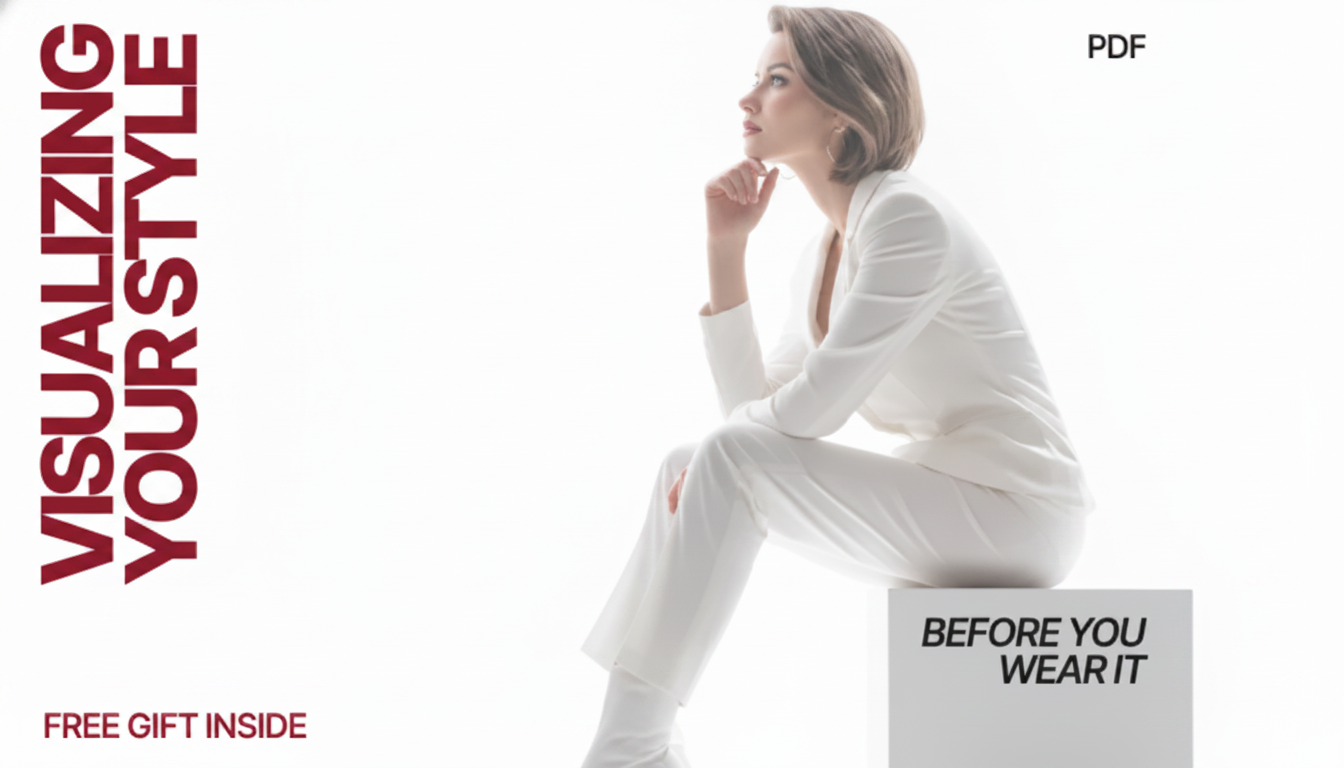
If you want a deeper, step-by-step version of this process, Visualizing Your Style Before You Wear It: The Ultimate Guide to Fashion Moodboards and Style Inspiration is a structured workbook-style option you can follow from inspiration to outfit formulas.
Choose the Kind of Moodboard You Need Right Now
Not every moodboard has the same job. Choosing the right type keeps you from building a dreamy board that doesn’t connect to your day-to-day outfits.
- Personal style moodboard: your overall identity and long-term closet direction.
- Seasonal moodboard: a palette and layering plan for the next 3–4 months.
- Occasion moodboard: event-specific outfits (wedding guest, interviews, vacation).
- Capsule moodboard: a compact set of pieces designed to create many looks.
- Shopping filter moodboard: a board used to vet new items before buying.
Moodboard Types and Best Uses
| Moodboard type | Best for | What to include | Common pitfall to avoid |
|---|---|---|---|
| Personal style | Long-term consistency | Signature colors, silhouettes, styling notes | Collecting only runway/editorial looks with no everyday translation |
| Seasonal | Weather + trends without overbuying | Layering, footwear, outerwear, textures | Ignoring climate and daily routine |
| Occasion | 1–3 specific events | Dress codes, accessories, hair/makeup cues | Forgetting comfort and movement |
| Capsule | Small wardrobe that works hard | A limited palette, repeatable formulas | Too many statement pieces, not enough basics |
| Shopping filter | Smarter purchases | Fabric preferences, neckline/fit rules, do-not-buy list | Saving vague images without clear criteria |
Gather Inspiration That Matches Your Real Life
The best boards include style and reality in the same place. Start with enough images to see patterns, but not so many that the board becomes noise.
- Start with 20–40 images: full outfits plus details (collars, buttons), fabrics, shoes, bags, jewelry, and color swatches.
- Pull from multiple sources: street style, vintage archives, film stills, lookbooks, and museum costume collections like The Metropolitan Museum of Art — The Costume Institute.
- Add lifestyle cues: workplace expectations, commute, climate, activities, and comfort needs.
- Include “anti-inspo”: 5–10 images that show what doesn’t feel like you (useful for boundaries).
- Aim for variety within one vibe; avoid mixing contradictory directions too early.
If you’re unsure what you’re responding to in an image, it helps to name the basic visual elements—line, shape, color, and texture—using a simple framework like MoMA — Elements of Art (Line, Shape, Color, Texture).
Translate Images into a Clear Style Recipe
A moodboard becomes wearable when you can describe it like a recipe. The goal is to pull out repeatable decisions—not just vibes.
- Identify repeating elements: pick 2–3 dominant silhouettes (for example: wide-leg + fitted top; slip skirt + knit; relaxed trouser + structured jacket).
- Build a tight palette: 2 neutrals, 2 core colors, 1 accent. Note whether you gravitate toward gold or silver hardware.
- Choose texture signatures: denim, leather, linen, chunky knits, satin, tweed, ribbed cotton—whatever shows up repeatedly on your board.
- Write 3–5 adjectives: “clean, tailored, soft, grounded, modern” is more actionable than “cute.”
- Create 3 outfit formulas: outfit templates you can repeat with different pieces.
Make It Actionable: Closet Audit and Shopping Rules
Consistency comes from repetition, not restriction. If staying on track is hard, building small habits helps—Long-Term Growth: Build Habits That Last can support the “follow-through” side of style: planning, pausing before purchases, and refining over time.
Digital vs. Physical Moodboards (and When to Use Each)
Style Inspiration That Doesn’t Turn into Copying
A Guided Workbook Option for Building Your Board Faster
If your camera roll is full of inspiration but nothing connects, a structured guide can help you move from visuals to decisions—palette, outfit formulas, and shopping boundaries. Visualizing Your Style Before You Wear It: The Ultimate Guide to Fashion Moodboards and Style Inspiration is designed to help translate “I like this” into what to keep, what to tailor, and what to buy next.
FAQ
How many images should a fashion moodboard include?
About 20–40 images is usually enough to reveal patterns without overwhelming the board. Refine down to the strongest repeating themes, and keep extras in a separate “parking lot” board so your main board stays clear.
What if my moodboard looks good but my outfits don’t?
Turn the board into 2–3 silhouettes and 3 outfit formulas, then narrow your color palette so pieces combine easily. Also check for practical gaps—shoes and outerwear are common missing links that keep outfits from matching the moodboard.
How often should a style moodboard be updated?
Do a quick monthly review to remove anything that no longer fits, and plan a bigger seasonal refresh every 3–4 months. Updates should reflect changes in lifestyle, climate, and how you want to feel in your clothes.









Leave a comment