Diet, Inflammation, and Daily Wellness: Practical Steps
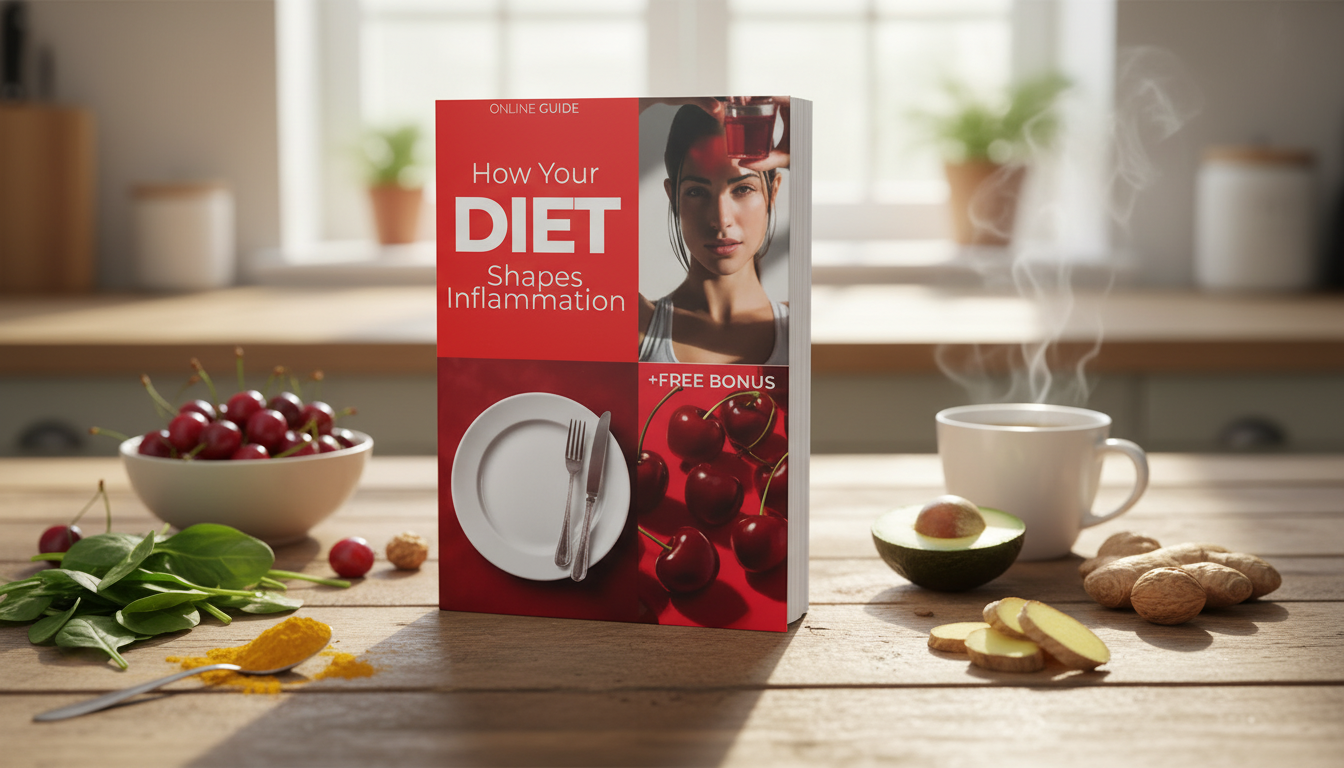
How Your Diet Shapes Inflammation for Everyday Wellness
Inflammation can be helpful in short bursts, but persistent low-grade inflammation may affect energy, digestion, joints, and long-term health. Daily food choices influence inflammatory pathways through blood sugar balance, fatty acid quality, fiber intake, gut microbes, and overall nutrient density. The goal is not a “perfect” diet, but a practical pattern that supports steadier inflammation signals day to day.
Inflammation basics: acute vs. chronic
Inflammation isn’t automatically “bad.” Acute inflammation is your body’s short-term repair response—think redness and swelling around a cut, or the immune activity that helps fight an infection. In contrast, chronic low-grade inflammation can simmer for months or years and is often linked with lifestyle factors such as poor sleep, chronic stress, smoking, inactivity, and dietary patterns.
Because symptoms can be non-specific, people may notice overlapping clues like fatigue, frequent aches, digestive discomfort, or slower recovery. If symptoms are persistent or severe, it’s important to discuss them with a clinician. Diet plays a role largely through metabolic health (like insulin sensitivity), oxidative stress, and the gut-immune connection.
Acute vs. chronic inflammation at a glance
| Type | Typical duration | Common triggers | Diet support focus |
|---|---|---|---|
| Acute | Hours to days | Injury, infection, intense exercise | Adequate protein, colorful produce, hydration, overall energy intake |
| Chronic (low-grade) | Weeks to years | Excess visceral fat, poor sleep, chronic stress, ultra-processed diet patterns | Fiber-forward meals, unsaturated fats, stable blood sugar, reduced alcohol and added sugars |
How food choices influence inflammation signals
Food affects inflammation less like a switch and more like a dimmer. The everyday pattern—what shows up most often—nudges your body toward steadier or more reactive signaling.
For a research-backed overview of inflammation-supportive food patterns, see Harvard Health Publishing: Foods that fight inflammation.
Everyday foods that tend to support a calmer inflammatory load
Simple swaps that add up
| If this is common | Try this instead | Why it may help | Easy tip |
|---|---|---|---|
| Sugary breakfast pastry | Greek yogurt + berries + walnuts | More protein/fiber; fewer rapid glucose spikes | Keep frozen berries and portion nuts ahead |
| Fried side dish | Roasted vegetables with olive oil | More fiber/phytonutrients; better fat profile | Use a sheet pan and pre-cut veg |
| Soda or sweetened drink | Sparkling water with citrus | Lower added sugar | Add mint or frozen fruit for flavor |
| Refined-grain snack crackers | Hummus + carrots or whole-grain pita | More fiber and unsaturated fats | Buy pre-cut veggies for convenience |
Foods and habits that can quietly raise inflammatory pressure
- Ultra-processed patterns: Frequent packaged sweets, chips, fast food, and refined snacks can reduce fiber and micronutrient density.
- Excess added sugars: Sugary beverages and desserts matter most. A practical approach is to reduce frequency and portion size rather than chasing an all-or-nothing rule. The American Heart Association guidance on added sugars is a helpful reference point.
- Processed meats: Bacon, sausage, and deli meats are best kept as occasional choices when possible.
- Alcohol: More is not better. Reducing frequency and portion can support inflammation-related goals.
- Cooking methods: Frequent deep-frying or heavy charring can increase certain compounds; rotate in baking, steaming, sautéing, and slow cooking.
A practical daily framework: build plates that steady blood sugar
One-week starter plan: realistic actions that fit busy schedules
- Day 1–2: Add one extra serving of vegetables daily (salad kit, frozen veggies, or soup).
- Day 3: Swap one refined grain for a whole grain (white rice → brown or quinoa; white bread → whole grain).
- Day 4: Choose a fatty fish meal once this week (salmon, sardines) or add chia/flax daily if fish isn’t preferred. For supplement questions, the NIH NCCIH overview of omega-3s offers a balanced starting point.
- Day 5: Replace one sugary drink with unsweetened tea/coffee or sparkling water.
- Day 6: Prep a “default” snack (nuts + fruit; hummus + veg; yogurt) to reduce vending-machine decisions.
- Day 7: Review what felt easiest and repeat that change next week; consistency beats intensity.
When diet changes may need personalization
A practical guide to put it all together
How Your Diet Shapes Inflammation – Practical Guide to the Diet and Inflammation Connection for Everyday Wellness is designed for practical follow-through, with step-by-step meal-building cues and habit strategies that reduce daily decision fatigue.
If stress and inconsistency are part of the picture, pairing nutrition changes with mindset support can help you stay steady long enough to see results. The Long-Game Mindset focuses on sustainable routines and resilience—useful when lifestyle changes feel good in theory but hard in real life.
FAQ
How long does it take for diet changes to affect inflammation?
Some people notice changes in energy, digestion, and cravings within days to a few weeks, especially after improving meal balance and added-sugar intake. Longer-term cardiometabolic improvements often take weeks to months, so consistency matters; consult a clinician if symptoms are significant or persistent.
Is the Mediterranean-style pattern considered anti-inflammatory?
It’s commonly associated with healthier inflammatory and cardiometabolic markers because it emphasizes vegetables, legumes, whole grains, olive oil, nuts, and fish while limiting ultra-processed foods. The best version is the one that fits your portions, preferences, and health needs.
Do nightshades, gluten, or dairy cause inflammation for everyone?
No—responses vary widely, and true allergies, intolerances, and certain medical conditions are the key exceptions. A time-limited, structured elimination can be reasonable when symptoms clearly suggest a trigger, ideally with professional guidance.












Leave a comment