Train Solo and Stay Consistent: A 30-Day Fitness Plan
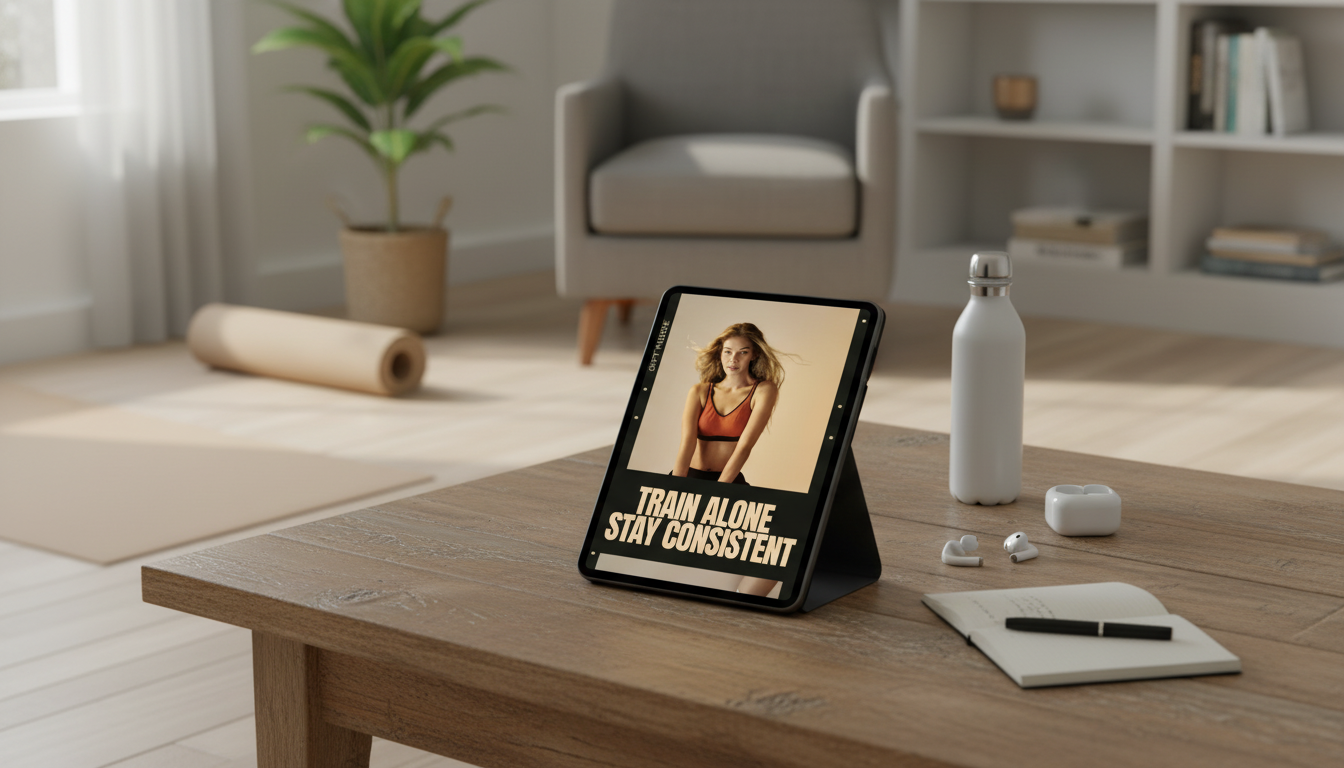
Train Alone, Stay Consistent: A Solo Fitness Routine That Actually Sticks
Training solo can be freeing, but it also removes the built-in accountability that keeps many people on track. A consistent routine comes from clear goals, low-friction planning, and a system for staying motivated when energy dips. Use the steps below to build a solo training rhythm that fits real life, avoids burnout, and keeps progress moving.
Start with a routine that’s easy to repeat
Solo consistency starts with making “showing up” almost automatic. Instead of chasing the perfect plan, focus on repeatability—the kind that survives busy weeks and low-energy days.
- Pick one primary goal for the next 4–6 weeks (strength, fat loss, endurance, mobility, or “show up 3x/week”). Keep it measurable—sessions completed, reps added, or minutes walked.
- Choose a fixed training schedule first (days + a time window), then plug workouts into it. A reliable routine beats a brilliant routine you don’t follow.
- Set a minimum baseline session for busy days (10–15 minutes). The win is protecting the habit, not “making up” lost time.
- Decide your training environment (home, gym, outdoors) and remove friction: pack a bag the night before, keep shoes by the door, preload a playlist, and set equipment where you’ll see it.
- Create simple “if-then” rules: if the day gets chaotic, then do the baseline session; if sleep is poor, then reduce intensity but still move.
If you want a ready-to-use framework built specifically for solo training, Train Alone Stay Consistent | Solo Fitness Guide for Building Routine, Motivation & Consistency is designed around repeatable templates, tracking prompts, and strategies for staying consistent without relying on hype.
Design solo workouts that don’t require hype
The best solo workouts are simple enough to start on an average day. Keep the structure familiar so you spend less time negotiating with yourself and more time moving.
- Prioritize foundational movement patterns: squat/lunge, hinge, push, pull, carry, and core. This keeps planning clean and helps you see progress quickly.
- Use repeatable templates (A/B days) instead of random workouts. Repetition builds skill and makes tracking effortless.
- Progress one variable at a time: reps, weight, sets, time, or rest. Avoid changing everything weekly—your body can’t “learn” the plan if the plan constantly changes.
- Keep 1–2 autopilot workouts for low-motivation days—short, familiar, and confidence-building.
- Add variety through small swaps (incline push-ups → flat push-ups) rather than reinventing the whole routine.
For a general health baseline, the CDC recommends adults get regular aerobic activity plus muscle-strengthening activity at least two days per week (CDC guidelines). If you’re lifting 3 days weekly and adding a few lighter movement days, you’re building a strong foundation.
Weekly solo training template (mix-and-match)
A sustainable week often looks like 3 strength sessions plus 2 lighter movement days (walking, mobility, easy cardio). Leave at least one full rest day or active recovery day to reduce drop-off from soreness and fatigue. During high-stress weeks, keep sessions shorter and simpler—consistency is the priority.
Sample 7-Day Solo Routine (Repeat for 4 Weeks)
| Day | Focus | Session (30–45 min) | Baseline Option (10–15 min) |
|---|---|---|---|
| Mon | Strength A | Squat or lunge + push + core (3–4 sets each) | 2 rounds: bodyweight squats, push-ups, plank |
| Tue | Light movement | 30–45 min walk or easy bike + 5 min mobility | 10 min brisk walk |
| Wed | Strength B | Hinge + pull + carry (3–4 sets each) | 2 rounds: hip hinges, rows/band pulls, suitcase carry |
| Thu | Recovery | Mobility + gentle stretch (15–25 min) | 5 min mobility flow |
| Fri | Strength A (repeat) | Same template; add 1 rep per set or small weight increase | 1–2 rounds of the baseline circuit |
| Sat | Optional conditioning | Intervals, hills, or steady cardio (20–30 min) | 10 min steady cardio |
| Sun | Rest | Rest, meal prep, plan next week | Rest |
Motivation without a training partner: use cues, rewards, and tracking
Solo motivation is less about willpower and more about creating a predictable loop: cue → action → reward. When that loop is stable, training happens even when your mood isn’t perfect.
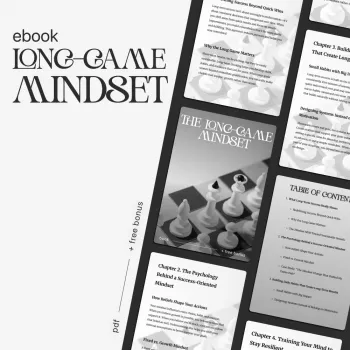
If mindset is the biggest sticking point—especially during stressful seasons—The Long-Game Mindset | Ebook on How to Build a Mindset for Long-Term Success, Sustainable Growth & Resilience supports the “keep going anyway” skill that makes consistency durable.
Stay consistent by planning for setbacks (not avoiding them)
For strength work, widely used resistance training recommendations emphasize progressive overload, adequate recovery, and consistent practice over time (see ACSM resources: American College of Sports Medicine).
A simple solo progression plan for the next 30 days
When a structured guide helps
For a plug-and-play routine with built-in consistency tactics, explore Train Alone Stay Consistent | Solo Fitness Guide for Building Routine, Motivation & Consistency. If you also want support around resilience and long-term follow-through, pair it with The Long-Game Mindset | Ebook on How to Build a Mindset for Long-Term Success, Sustainable Growth & Resilience.
FAQ
How many days per week should someone train when working out alone?
Start with 3 strength days per week plus 1–2 light movement days (walking, mobility, easy cardio). It’s sustainable, supports recovery, and you can use a 10–15 minute baseline session on busy days to keep the habit intact.
What if motivation disappears halfway through a week?
Use the baseline workout and the 2-minute start rule to get moving, then lower intensity rather than skipping entirely. Keeping frequency consistent (even with shorter sessions) protects momentum and makes it easier to ramp back up.
Is it better to follow the same workouts or change them often?
Repeat a simple A/B template for 4–6 weeks so you can track progress and build skill. Add variety with small swaps while keeping the core movement patterns the same.











Leave a comment