Is AI Reliable for Skincare? What It Gets Right and Wrong
Is AI reliable for skincare?
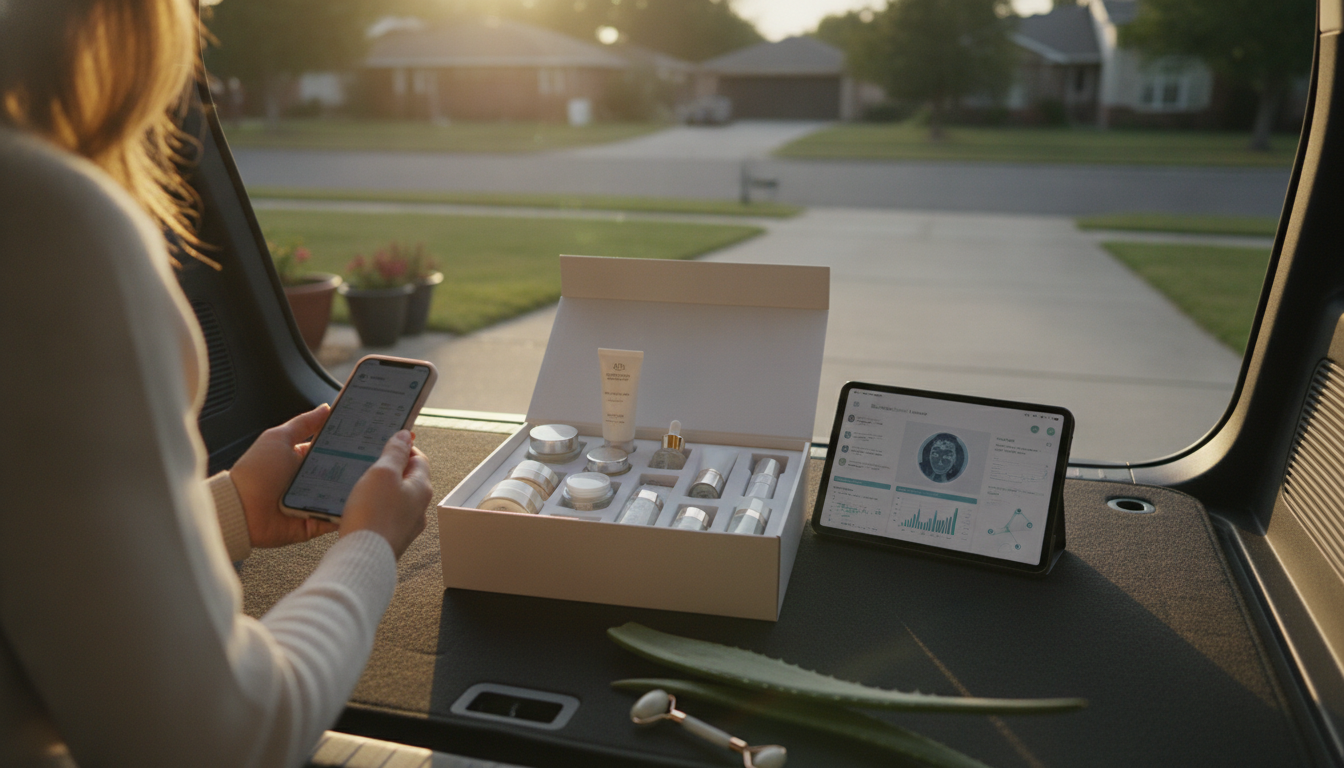
AI can be reliable for skincare as a starting point, especially when it’s used to organize information you provide (skin type, concerns, sensitivities, climate, and product preferences) into a routine you can actually follow. It tends to perform best at pattern-matching: spotting common ingredient pairings, flagging conflicts (like mixing multiple strong actives too quickly), and recommending a gradual approach.
That said, AI is only as dependable as the inputs and the rules it follows. If the analysis is based on a single selfie, incomplete answers, or generalized assumptions, the results can be hit-or-miss. Reliable AI skincare tools lean on multiple data points (symptoms, triggers, current routine, tolerance level) and encourage slow changes rather than drastic overhauls.
What AI does well for skincare
AI is useful for simplifying decision-making. It can help narrow product types (cleanser, moisturizer, sunscreen, treatment), suggest ingredient families aligned with your goals (barrier support, acne control, tone-evening), and build a schedule that reduces irritation risk. It’s also helpful for tracking: noting what you changed, when you changed it, and what happened afterward.
If you want a clearer sense of how an AI-driven routine comes together, see this step-by-step guide: AI Personalized Skincare Plan for Clearer Skin.
Where AI can be unreliable
AI can’t diagnose medical conditions, confirm allergies, or evaluate everything happening beneath the surface of your skin. Concerns like persistent rashes, swelling, severe acne, rosacea flares, or sudden pigmentation changes require a licensed professional. AI also may not account for prescription interactions, hormonal factors, or underlying conditions unless you specifically disclose them.
Another reliability issue is speed: recommendations that add too many actives at once (retinoids, acids, benzoyl peroxide, vitamin C) can cause irritation even if each ingredient is “good.” A trustworthy plan builds tolerance and prioritizes barrier health.
How to use AI safely and get better results
Use AI as a planning assistant, not a final authority. Be specific about sensitivities, past reactions, and current products. Patch test new items, introduce one change at a time, and give each step a fair trial window. If irritation shows up, simplify the routine and focus on gentle cleansing, moisturizing, and daily sunscreen until your skin settles.
FAQ
Can AI replace a dermatologist for skincare concerns?
No. AI can help with routine-building and product organization, but it can’t diagnose or treat medical skin conditions; persistent or severe issues should be evaluated by a dermatologist.












Leave a comment