List-to-Launch System for Finding Trending Products Early

List to Launch: A List-Driven System to Spot Trending Products Early
Trends move fast, but product research does not have to feel random. A simple, repeatable list system helps entrepreneurs and online sellers capture signals, compare opportunities, and decide what to test next without chasing every new post. This guide breaks down a practical workflow for building and using lists to find new and trending products, validate demand, and turn ideas into a focused launch plan.
Why lists beat scattered research
Most “trending product” frustration comes from mixing inspiration, validation, and buying decisions into the same moment. Lists separate those stages, so the work stays calm and repeatable.
- Lists reduce decision fatigue by turning inspiration into a controlled queue of options.
- A consistent structure makes it easier to compare products across niches and seasons.
- Trend signals become clearer when captured over time (repeats, frequency, and acceleration).
- Lists create an audit trail that supports smarter reorders, restocks, and content planning.
- A list-first workflow keeps research separate from buying decisions, preventing impulse tests.
The core list stack: 6 lists that power product discovery
Instead of one giant spreadsheet, use a “stack” of smaller lists. Each list has a job: capture, filter, prove, test, monitor, and learn.
- Signal List: raw sightings of products, problems, and phrases (one line each).
- Shortlist: candidates that meet basic criteria (price range, shippability, audience fit).
- Validation List: products queued for quick checks (search volume, competition, reviews, ad angles).
- Test List: a small batch ready for a limited launch (content + offer + landing or listing).
- Watch List: items not ready now, tracked for repeats, seasonality, or price changes.
- Post-Test List: results and notes (what worked, what failed, and what to try next).
List stack at a glance
| List | What goes in | When to review | Outcome |
|---|---|---|---|
| Signal List | Any product mention or unmet need | Daily/ongoing | Capture without judgment |
| Shortlist | Signals that fit store + audience | 2–3x per week | Narrow to realistic options |
| Validation List | Shortlisted items needing proof | Weekly | Decide test vs watch vs drop |
| Test List | Validated items with a clear angle | Weekly planning | Run a limited test |
| Watch List | Promising but not ready | Every 2 weeks | Track momentum and timing |
| Post-Test List | Data, notes, creative, suppliers | After each test | Repeat winners, refine process |
Where to find trend signals worth listing
Signal quality improves when it comes from different “angles.” One viral clip is interesting; repeated sightings across independent sources is actionable.
- Marketplace patterns: best-seller movers, new releases, and frequently bought-together clusters.
- Social discovery: short-form video, creator storefronts, and comment sections (especially the problem language people repeat).
- Search behavior: autocomplete suggestions, related searches, and forum threads around pain points. For a quick reality check on rising interest, use Google Trends.
- Competitor observation: new arrivals, bundle changes, and repeated creative angles in ads.
- Seasonal calendars: holidays, school cycles, and weather-driven needs that return annually.
For a grounded approach to market research and competitive analysis, the U.S. Small Business Administration (SBA) offers practical guidance that pairs well with a list-first workflow.
A simple scoring method to rank products quickly
Scoring prevents the “everything looks good” trap. Pick 5–7 criteria, score each 1–5, and require a minimum total to move forward. The point is not perfection; it’s consistency.
- Define 5–7 criteria and score 1–5 each to keep evaluations consistent.
- Balance “trend heat” with “business reality” (margin, fulfillment, support risk).
- Use a minimum threshold to move items from Shortlist to Validation to Test.
- Document the reason for each score to improve future judgment calls.
Quick scorecard template
| Criterion | What to look for | Score (1–5) |
|---|---|---|
| Problem clarity | Clear use case and buyer motivation | |
| Proof of demand | Repeated sightings + marketplace activity | |
| Competition pressure | How hard it is to stand out | |
| Margin potential | Room for profit after fees and shipping | |
| Fulfillment risk | Fragility, size, compliance, returns | |
| Creative angles | Demonstrable benefits for content/ads | |
| Repeat purchase / upsell | Add-ons, bundles, refills, accessories |
When scoring “creative angles,” be realistic about what can be shown clearly and truthfully. If you plan to run ads, stay aligned with basic advertising rules and substantiation practices outlined by the Federal Trade Commission (FTC).
Turning a list item into a launch-ready test
Testing works best when it’s small, specific, and measurable. Treat the first launch like a controlled experiment rather than a full inventory commitment.
Common mistakes that make “trending” feel unpredictable
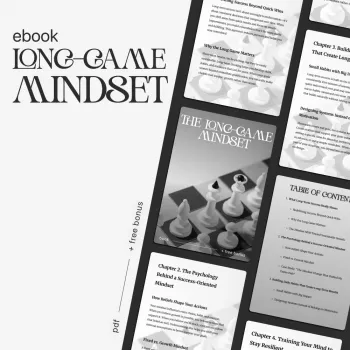
Digital guide: List to Launch
If a simple, structured system beats endless tabs, the List to Launch digital download is built for quick reference while researching and planning tests.
Product details
| Format | Price | Availability | Link |
|---|---|---|---|
| Digital download (eBook/guide) | 8.99 USD | In stock | View product |
More in-stock downloads that pair well with a testing workflow
- Master Return Policies & Spot Scams with Confidence on Amazon (Digital Guide) for reducing return-policy surprises and screening sketchy offers during validation.
- Bright Side Up: A Simple Guide to Getting Positive Thoughts Every Day (Digital Guide) for staying consistent during multi-week testing cycles.
FAQ
How many products should be on a shortlist at one time?
Aim for 10–30 items with a weekly review cadence. A smaller shortlist keeps comparisons fair, speeds up validation, and improves what you learn from each test.
How long should a product stay on the watch list before dropping it?
Use a 2–6 week time box and track whether signal frequency is rising. Keep it if momentum grows or seasonality explains a lull; drop it if repeats never show up or if margins and risk fail your thresholds.
What is the fastest way to validate a trending product idea without over-investing?
Look for repeated demand signals across multiple sources, scan reviews to confirm real pain points, and estimate landed cost and margin. Then test messaging with a small content batch or a simple landing/pre-order approach before scaling inventory.









Leave a comment