Stress-Free City Driving: Calm Skills for Traffic & Parking
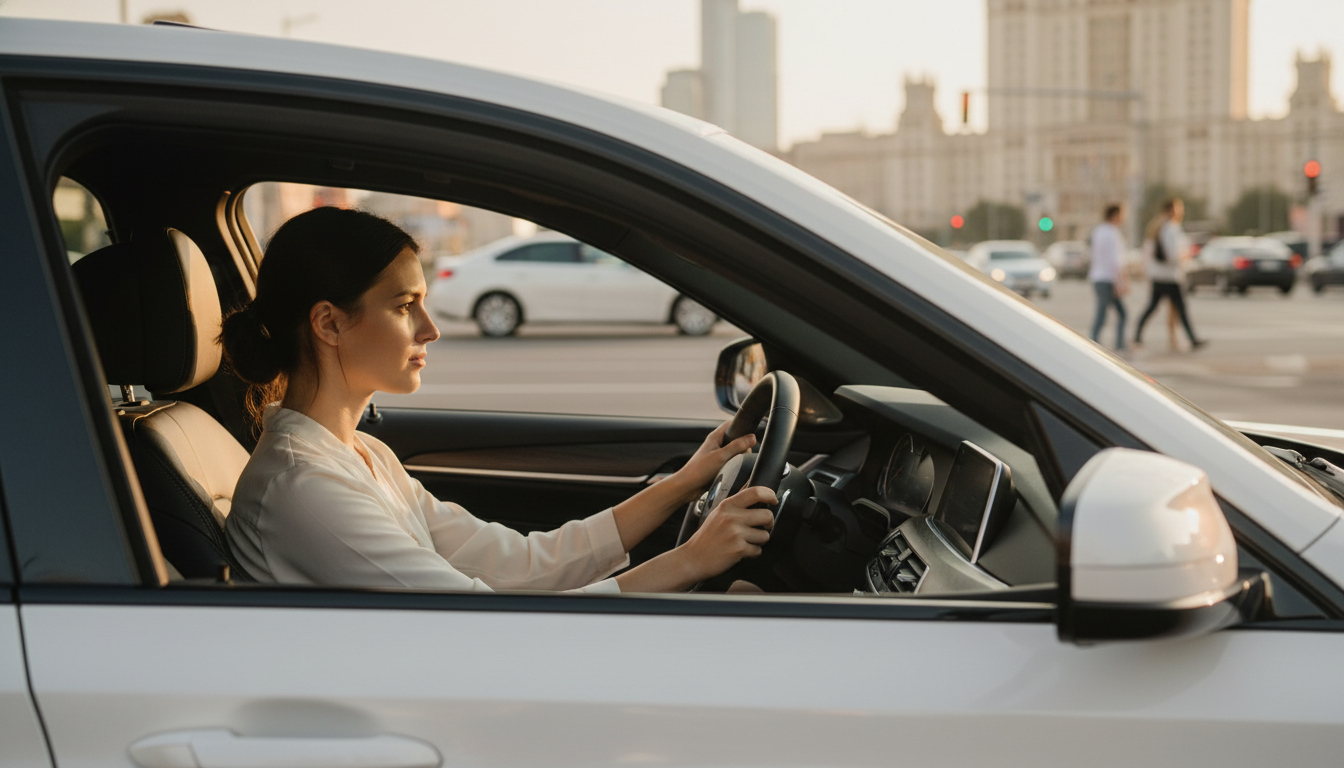
City Driving Without the Stress: Practical Skills for Calm, Confident Urban Driving
City streets move fast: tight lanes, sudden stops, delivery vans, bikes, pedestrians, and complex parking. A calmer drive comes from a repeatable set of habits—how to scan, position the car, communicate intentions, and make low-pressure decisions even in heavy traffic.
What Makes City Driving Feel Overwhelming (and What Actually Helps)
Urban driving stress usually isn’t about one “big” challenge—it’s the stack of small, unpredictable moments. Common triggers include dense signage, close following distances, honking, aggressive lane changes, and the fear of making a parking mistake with an audience.
The fastest stress-reducers are practical and repeatable: scan early (so nothing surprises you), plan lanes ahead (so you don’t weave), control speed smoothly (so stops feel predictable), and manage space (so you always have options). The mental reframe that helps most is simple: arriving safely beats “keeping up” with the loudest driver. City driving rewards patience, not perfection.
A Simple Pre-Drive Routine for Urban Calm
A two-minute setup can remove a lot of pressure before the wheels move.
- Before moving: set mirrors, adjust seat and steering wheel, turn on headlights if visibility is mixed, and put your phone on Do Not Disturb.
- Navigation ready: enter the address and preview tricky parts (one-way streets, turn restrictions) before you leave the curb.
- Choose a “low-drama” route: when possible, favor fewer left turns, fewer merges, and familiar arterials over confusing cut-throughs.
- Build a buffer: plan to arrive 10 minutes early so you don’t feel forced into last-second moves.
At red lights, do two grounding checks: relax your grip (hands light, shoulders down) and take one steady breath while your eyes scan far ahead. This keeps your attention wide, not locked on the bumper in front of you.
Defensive Driving in the City: Space, Sightlines, and Predictability
Defensive city driving isn’t timid—it’s structured. The goal is to keep time and space on your side.
- Keep escape options: avoid being boxed in. If a vehicle is riding your quarter-panel, adjust slightly so you’re staggered rather than side-by-side.
- Use “see + be seen”: don’t linger in blind spots. Assume others may not notice a small car, bike, or scooter—especially at dusk or in rain.
- Manage following distance even at low speeds: stop-and-go traffic still needs space for sudden braking. A smoother gap reduces your own hard stops.
- Anticipate conflict zones: intersections, crosswalks, bus stops, parking lanes, and curbside pickup areas are where surprises happen.
- Communicate early: signal sooner than feels necessary. Then commit smoothly instead of rushing at the last second.
- Avoid “courtesy collisions”: don’t wave someone through if it blocks another lane’s visibility. Let right-of-way rules and clear sightlines do the work.
For more defensive-driving basics and safety reminders, the NHTSA driver safety guidance is a solid reference point.
Lane Changes, Merges, and Turns Without Panic
Most city panic comes from being “late” to decisions. The fix is setting up earlier than you think you need to.
- Set up early: pick the correct lane one to two blocks ahead. In dense traffic, that extra time prevents rushed weaving.
- Use a repeatable lane-change sequence: mirror → signal → shoulder check → move smoothly → cancel signal.
- Left turns: look for pedestrians first, then oncoming traffic. Treat yellow lights as a stop decision, not a “go faster” cue.
- Right turns: scan bike lanes and sidewalks; check for fast-approaching cyclists from behind before turning across their path.
- When missed turns happen: continue safely and reroute. No sudden braking, no cross-lane swerves—missing a turn is inconvenient, not an emergency.
Pedestrian-heavy intersections deserve extra caution. The FHWA pedestrian safety resources highlight how quickly normal situations can turn risky when drivers rush turns.
Parking Confidence: Parallel, Angle, and Tight Garages
Quick Parking Troubleshooting
| Situation | Likely Cause | Simple Fix |
|---|---|---|
| Clipping the curb during parallel parking | Turning too early or too fast | Slow the reverse, delay the turn, use a consistent reference point on the rear window/mirror |
| Ending up far from the curb | Not enough steering angle or straightening too soon | Increase steering angle during the arc, then straighten only after the rear is in |
| Need multiple pull-ups | Approach alignment off by a foot or more | Reset the setup: re-align parallel to the parked car before committing |
| Nervous in tight garages | Poor sightlines and corner swing | Creep speed, hug the outside of turns, pause to look, fold mirrors if needed |
Pedestrian and Cyclist Awareness in Busy Urban Areas
For broader context on preventing serious crashes, the CDC’s motor vehicle safety information reinforces why speed management and attention at crossings matter so much.
Handling Aggressive Drivers, Honking, and Social Pressure
A 7-Day Practice Plan to Build City Skills Without Overload
When a Structured Guide Helps Most
If you want step-by-step refreshers you can review before practice sessions, consider the City Driving Without the Stress eBook. For drivers who also want a simple daily mindset reset (useful before commuting), Bright Side Up: A Simple Guide to Getting Positive Thoughts Every Day can pair well with skill practice.
FAQ
How can city driving feel less stressful quickly?
Focus on controllables: leave earlier, choose simpler routes, slow down, increase following distance, and use a consistent scan-and-signal routine so fewer situations feel like surprises.
What is the safest way to handle pedestrians at busy intersections?
Scan sidewalks early, slow before the crosswalk, check for late step-offs, and don’t begin turning until the crosswalk is clearly open—especially on right turns where pedestrians can appear from your passenger-side view.
How do drivers get better at parallel parking without panicking?
Practice in low-pressure locations, use fixed reference points, reverse very slowly, and reset your setup when the approach is off instead of forcing the attempt while traffic waits.










Leave a comment