Spot Fake Amazon Deals: Check Price History Fast
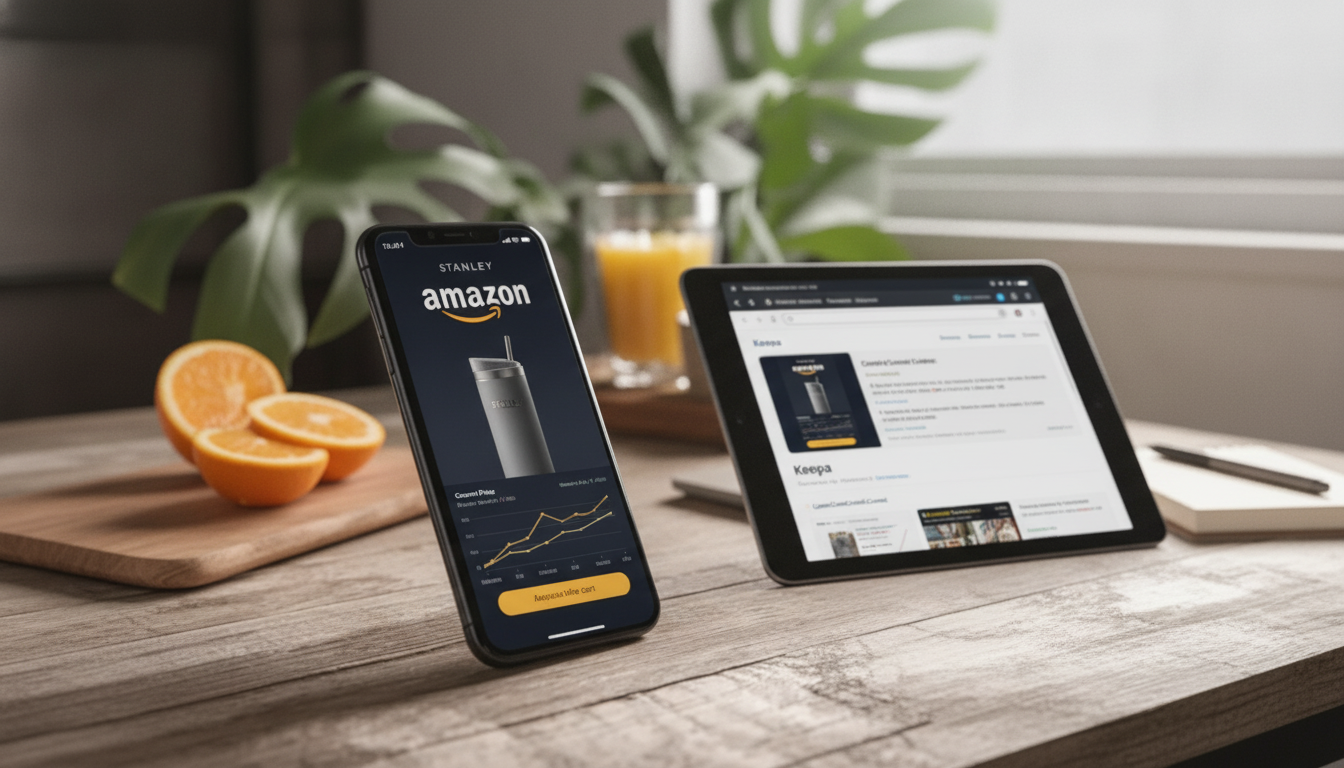
How to Tell If an Amazon Discount Is Real Using Price History and Smart Tools
Big percentage-off labels can hide price hikes, short-lived spikes, or seller-only discounts that don’t reflect what shoppers usually pay. A quick price history check helps confirm whether a deal is genuinely below the typical price, how often it drops, and whether it’s better to buy now or wait. With the right tools (and a simple routine), you can stop anchoring on “Was Price” and start buying based on what the item actually costs most of the time. For more guidance, see YSK: How to check real reviews and historical pricing for ….
Why “Was Price” and “List Price” Can Be Misleading
Amazon reference prices can be useful, but they can also distort what “% off” really means.
- Reference prices aren’t always “real-world typical” prices. The “list price” may reflect MSRP, a brief price spike, or an older price that rarely applied for long.
- Seller context changes everything. A discount might apply to one seller while the Buy Box price (the price most shoppers see) stays higher—or rotates frequently.
- Coupons and Subscribe & Save can be both helpful and distracting. A coupon can create real savings, but it can also be paired with an inflated base price so the final price looks “special” when it’s merely normal.
- Lightning Deals can be legit without being the best. Limited-time offers may still sit above the item’s typical low price if the product goes on sale often.
Amazon also explains how reference prices work in its help guidance: Amazon: Reference prices and savings.
The 60-Second Price History Check (Before Buying)
Before you click “Buy Now,” run this quick check to confirm the discount is against reality—not a convenient reference point.
- Step 1: Match the exact variant. Confirm size, color, count, bundle, and that the ASIN matches the listing you’re evaluating. Price history is only meaningful if it’s the same item configuration.
- Step 2: Compare against multiple time windows. Check 30-, 90-, and 365-day ranges to catch seasonal patterns and “fake” spikes that make today look unusually cheap.
- Step 3: Separate Amazon vs. third-party pricing. A deal can be real for Amazon as a seller but not for third-party sellers—or vice versa.
- Step 4: Watch Buy Box changes. Frequent Buy Box swaps can mean volatile seller competition, inconsistent fulfillment, or shifting shipping costs.
- Step 5: Find the typical price band. Don’t judge a deal against one unusually high point. Judge it against the price range the item sits in most often.
Quick decision guide using price history
| Signal in the chart | What it usually means | Smart move |
|---|---|---|
| Current price is below the most common price band | Discount is likely real (below typical market level) | Buy if needed; set an alert if trying to beat the absolute low |
| Price jumped up right before the sale label appeared | Possible reference-price inflation | Compare against 90–365 day average; wait or look for another seller |
| Frequent deep dips every few weeks | Recurring promotions | Set an alert; wait for the next dip unless urgent |
| Amazon price is stable but third-party swings wildly | Seller-driven volatility | Prefer Amazon or top-rated seller; watch shipping/returns |
| Lowest price occurred only once for a few hours | Outlier drop (rare) | Don’t anchor on it; target the typical low instead |
Using Keepa: What to Look at Beyond the Main Line
Keepa is powerful because it lets you separate price “stories” that Amazon’s headline discount blends together.
Using CamelCamelCamel: Fast Confirmation and Alerts
CamelCamelCamel is a quick way to sanity-check whether today’s price is genuinely low compared to what shoppers typically pay.
Common “Deal Tricks” Price History Reveals Immediately
How AI Tools Help Validate a Discount (and Their Limits)
A Simple Buy vs. Wait Checklist for Smart Shoppers
Digital Guide: A Step-by-Step System to Avoid Fake Discounts
- How to Verify Real Discounts with Price History Checks on Amazon (Digital Guide) — a practical system for reading price signals, separating seller pricing, and using Keepa/CamelCamelCamel plus simple rules to decide buy vs. wait.
- Master Return Policies & Spot Scams with Confidence on Amazon (Digital Guide) — helps you evaluate seller risk, shipping/return terms, and common scam signals that matter even when a price looks great.
FAQ
Are Amazon deals usually real?
Many deals are legitimate, but the reference price used to show the discount can be misleading. Checking the last 90–365 days and separating Amazon vs. third-party seller histories helps confirm whether today’s price is actually below what shoppers typically pay.
Which is better for price history checks: Keepa or CamelCamelCamel?
Keepa is more feature-rich with detailed tracks and flexible alerts, while CamelCamelCamel is simpler for fast confirmation and basic watches. Either tool can help you identify the typical price band and set alerts near the recurring low.
What if the current price is the lowest ever, but only for a short time?
Treat one-off lows as outliers and focus on the typical low you see repeatedly. If you need the item now and the seller is trustworthy, buying at a rare low is reasonable; otherwise set an alert closer to the recurring low and wait.











Leave a comment