How to Wash Pillows: Fresh Dreams Care Checklist
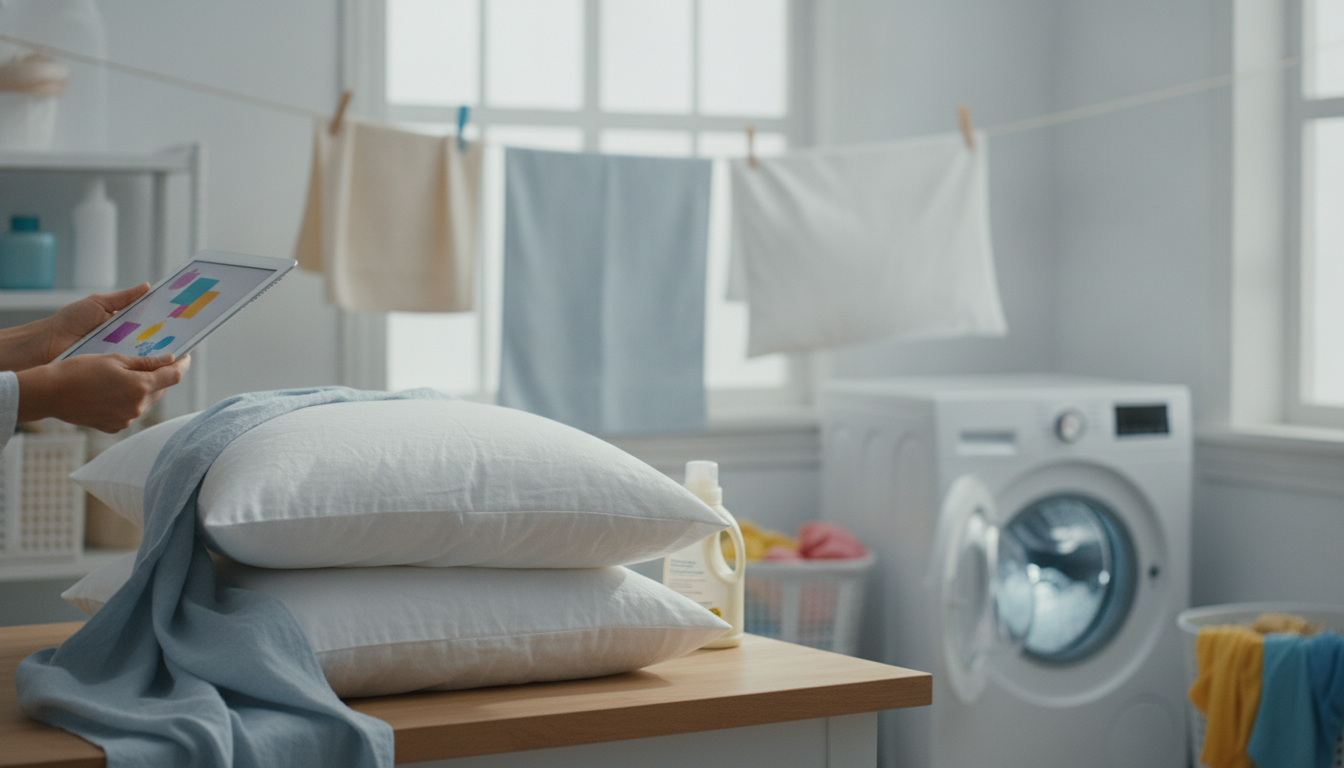
Fresh Dreams Pillow Care Checklist: A Step-by-Step Guide to Washing and Refreshing Pillows
Clean pillows support better sleep, reduce odors, and help bedding last longer. A simple, repeatable routine—prep, wash, dry, and maintain—keeps wash day predictable, even when your home has different pillow fills and fabrics. The goal is straightforward: remove oils, sweat, and allergens without damaging the pillow’s structure or trapping moisture inside.
What to Do Before Washing Any Pillow
- Check the care label first for water temperature, bleach warnings, and dryer settings. If the label says “spot clean only,” treat it like a non-washable pillow.
- Identify the fill type: down/feather, polyester, memory foam/latex, buckwheat, shredded fill, or a specialty insert.
- Inspect seams and fabric. If you see weak stitching or tiny tears, mend them before washing to prevent fill loss and messy washer surprises.
- Spot-treat stains (sweat, drool, makeup) using a small amount of gentle detergent diluted in water and a soft cloth. For foam, avoid soaking—surface clean only.
- Remove pillowcases and protectors and wash those separately on their own schedule so the pillow stays cleaner longer.
- Plan dryer time and space. Pillows take longer than standard laundry and need airflow to dry completely.
Pick the Right Method for Your Pillow Type
The fill determines what “safe cleaning” looks like. When in doubt, follow the label and choose the gentlest effective option—especially for foam and specialty inserts.
- Down/feather: often machine-washable on gentle with mild detergent. An extra rinse helps prevent residue that can make feathers feel stiff.
- Polyester/fiberfill: typically machine-washable; warm water is usually fine unless the label says otherwise.
- Memory foam/latex: usually not machine-washable. Stick to spot cleaning and thorough air-drying to avoid breakdown and trapped moisture.
- Buckwheat or shredded fills: remove the hulls/fill and wash the casing only; air out the fill separately.
- Decorative/specialty pillows: prioritize the label; some removable covers can be washed while inserts cannot.
Quick Care Map by Pillow Fill
| Pillow type | Wash method | Drying method | Common mistake to avoid |
|---|---|---|---|
| Down/Feather | Machine wash gentle; mild detergent; extra rinse | Low heat tumble; add dryer balls | Using high heat that scorches or shrinks ticking |
| Polyester/Fiberfill | Machine wash gentle/normal per label | Low/medium heat; pause to fluff | Overloading washer so pillow can’t rinse clean |
| Memory Foam/Latex | Do not machine wash; spot clean only | Air dry fully, away from direct heat | Soaking the foam, causing breakdown and mildew risk |
| Buckwheat/Shredded Fill | Wash cover/casing only | Air out fill; dry cover completely | Washing the fill/hulls in water |
Step-by-Step Washing Routine (Machine-Washable Pillows)
If the label allows machine washing, a gentle, well-balanced load is the simplest way to get a thorough clean without warping the pillow.
- Balance the load: wash two pillows at a time (or add a couple towels) so the washer spins evenly and the pillows agitate properly.
- Select a gentle cycle and use cool or warm water unless the label specifically calls for hot water.
- Use a small amount of mild liquid detergent. Skip fabric softener—it can coat fibers and reduce absorbency.
- Run an extra rinse to remove leftover soap that can cause stiffness and “mystery” odor later.
- Use high-speed spin if available to remove more water up front, shortening dry time and lowering mildew risk.
Drying Without Clumps, Odors, or Mildew
Drying is where most pillow problems happen. A pillow can feel “mostly dry” on the outside while the center stays damp—exactly the condition odors and mildew love.
- Tumble dry on low heat for down/feather and most fiberfill pillows. High heat can damage fibers, shrink ticking, and “cook in” odors.
- Add dryer balls (or clean tennis balls inside socks) to keep fill moving and help restore loft.
- Pause every 20–30 minutes to flip, rotate, and hand-fluff. Press the center; if it feels cool, heavy, or dense, keep drying.
- Dry until fully dry. “Close enough” isn’t enough—hidden moisture is the top cause of lingering smells.
- Foam pillows: air dry flat in a well-ventilated room, away from direct heat. A fan can speed drying and help reduce odors.
How Often to Wash and What to Do Between Washes
A maintenance rhythm prevents pillow funk from building up, and it reduces how often you need deep cleaning.
Troubleshooting: Fix the Most Common Pillow Problems
A Simple Printable Routine for Laundry Day
If you like a no-second-guessing approach, a checklist makes pillow care feel automatic. For a ready-to-save version, see the Fresh Dreams Pillow Care Checklist digital download.
To make routines easier to stick with across the house, a habits guide can help turn “I’ll do it later” into a reliable system—see Long-Term Growth: Build Habits That Last.
Helpful, Authoritative Resources
- Sleep Foundation — Sleep and bedding care resources
- American Cleaning Institute — Laundry and fabric care tips
- CDC — Cleaning and disinfecting in homes
FAQ
Can pillows go in the washing machine?
It depends on the fill and the care label. Most down/feather and many fiberfill pillows are machine-washable, while memory foam and latex typically should not be machine washed.
How do you dry pillows without them getting lumpy?
Use low heat, add dryer balls or tennis balls, and stop the dryer every 20–30 minutes to rotate and hand-fluff. Keep drying until the center is completely dry to prevent clumps and odors.
How often should pillows be washed or replaced?
Wash pillowcases weekly, protectors every 2–4 weeks, and machine-washable pillows about every 3–6 months. Replace pillows when support is gone, odors persist after proper cleaning, or the fill stays lumpy even after thorough drying.











Leave a comment