Hydrating Skincare Steps for a Deep, Lasting At-Home Glow
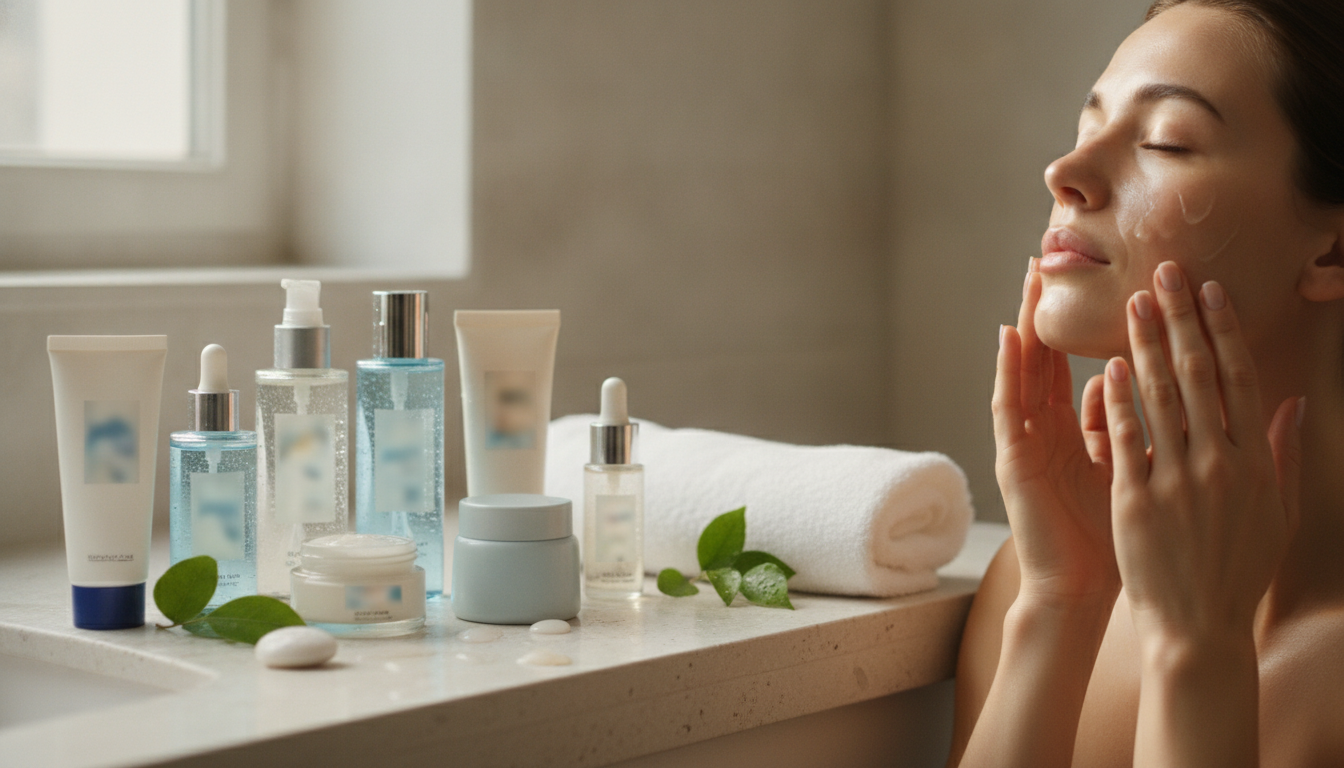
Hydrating Skincare Steps for a Deep, Lasting Glow at Home
A lasting glow comes from consistent hydration: adding water to the skin, sealing it in, and protecting the barrier so moisture doesn’t evaporate. The steps below focus on simple layering, ingredient pairings that work well together, and small routine tweaks that help skin look smoother, calmer, and more radiant over time.
What “hydrated” skin looks and feels like
Hydration is water in the skin; dryness is lack of oil—both can happen at the same time. Dehydrated skin often feels tight after cleansing, looks dull, shows fine lines more easily, and may make makeup separate or cling. Hydrated skin typically reflects light more evenly, looks smoother, and shows fewer rough or flaky patches.
If your skin also feels reactive, stings with basic products, or gets red easily, it’s often a clue the moisture barrier needs support. For more on dryness basics, the American Academy of Dermatology Association has practical guidance on daily care.
Start with the right cleanse (so hydration can stay)
Cleansing should remove sunscreen, makeup, and buildup without leaving that “squeaky clean” feeling. Harsh surfactants and very hot water can strip the barrier, making the rest of your hydrating routine feel less effective.
- Choose a gentle cleanser and use lukewarm water.
- On heavy sunscreen or makeup days, do a mild first cleanse (oil/balm or micellar) followed by a gentle water-based cleanser.
- Pat dry lightly and leave skin slightly damp before applying watery steps to reduce moisture loss.
| Option | Best for | Tip |
|---|---|---|
| Cream or milky cleanser | Normal to dry, easily tight skin | Massage briefly; rinse with lukewarm water. |
| Gel cleanser (gentle, low-foam) | Combination, oily-but-dehydrated | Avoid a squeaky-clean finish; that often signals over-cleansing. |
| Oil/balm first cleanse | Sunscreen/makeup days | Emulsify with water before rinsing to avoid residue. |
| Micellar water | Quick removal, sensitive skin | Rinse afterward if it stings or feels sticky. |
Hydrate in layers: mist/toner → serum → moisturizer
Layering works because each step plays a different role. Apply products from thinnest to thickest and keep each layer light to avoid pilling.
- Humectants (glycerin, hyaluronic acid, panthenol) help pull water into the skin—apply on slightly damp skin for the best feel.
- Follow quickly with a moisturizer to reduce transepidermal water loss and keep hydration from evaporating.
- In very dry climates, humectant-only routines can feel tight. Prioritize glycerin and a barrier-supporting cream (and consider a small occlusive step at night).
Tip for a smoother finish: instead of rubbing, press each layer in with your palms and move to the next step while the skin still feels comfortably dewy.
Barrier first: the fastest route to a calmer glow
The barrier is your skin’s “seal.” When it’s healthy, hydration lasts longer and the surface looks more even. The National Eczema Association explains how a strong barrier helps reduce irritation and moisture loss.
- Look for moisturizers with ceramides, cholesterol, fatty acids, squalane, and soothing ingredients like colloidal oatmeal.
- If skin is reactive, reduce common irritants: fragrance, strong exfoliation, and frequent product switching.
- Nighttime is ideal for richer textures; morning can be lighter, followed by sunscreen.
- If basic moisturizer burns or stings, pause strong actives and focus on simple hydration and barrier repair for 1–2 weeks.
Seal it in: how to “lock” hydration without feeling greasy
Occlusives slow water loss and can instantly smooth the look of texture. You don’t need a thick layer—strategic placement often feels better and looks just as effective.
- Normal to dry skin: apply a thin occlusive layer at night over moisturizer on areas that get tight (cheeks, around the mouth).
- Acne-prone skin: spot-occlude only the driest zones and keep layers thin; patch test new balms.
- Avoid heavy occlusion directly over strong leave-on exfoliants or retinoids if it increases irritation.
Glow protectors: sunscreen and gentle brightening support
Hydration makes skin look better today; sunscreen helps it stay brighter long-term by preventing UV-driven dullness and uneven tone. For sunscreen basics and usage guidance, see the U.S. Food & Drug Administration.
At-home weekly reset: exfoliation and masks (without overdoing it)
A practical routine map (morning and night)
Morning
Night
Helpful digital guides for staying consistent
If you want a step-by-step reference you can follow and repeat, Hydrating Skincare Steps for Deep, Lasting Glow – At-Home Guide to the Best Hydrating Skincare Steps at Home for Radiant, Healthy Skin lays out an easy, at-home flow you can keep on hand.
And if the hardest part is sticking with any routine long enough to see results, Long-Term Growth: Build Habits That Last | How to Focus on Long-Term Growth | Digital Productivity & Success Guide | Instant Download can help you build the consistency that makes hydration (and glow) last.
FAQ
Why does hyaluronic acid sometimes make skin feel tighter?
Hyaluronic acid can feel tight if it’s applied to dry skin or left without a sealing moisturizer, especially in low-humidity environments. Apply it on slightly damp skin and follow promptly with a moisturizer (and a light occlusive at night if needed). If it still feels tight, try formulas that lean more on glycerin and panthenol.
How long does it take to see a more lasting glow from hydration?
You can see immediate plumping and smoother light reflection after application, but longer-lasting barrier and texture improvements often take about 2–4 weeks of a consistent routine. Over-exfoliation, inconsistent sunscreen use, and frequent product changes can slow progress.
What should be skipped when skin feels irritated or stings?
Pause strong acids, retinoids, harsh scrubs, and fragranced products, then simplify to gentle cleansing, a bland barrier-supporting moisturizer, and daily sunscreen. Once skin feels calm again, reintroduce actives slowly—one at a time.










Leave a comment