Spotting the Signs Before They Matter: A Practical Guide to Icks, Red Flags, and What to Do Next
Some turn-offs are harmless quirks, and some are early warnings that save time, energy, and safety. The tricky part is that both can feel similar at first: a tight feeling in your chest, a “wait… what?” moment, or a sudden drop in excitement. The goal isn’t to overanalyze every detail—it’s to tell the difference between a preference-based “ick” and a pattern that threatens respect, consent, or emotional safety. Below is a practical way to sanity-check your gut, communicate clearly, and decide what to do next without spiraling.
What People Mean by “Ick” vs “Red Flag”
An “ick” is usually a personal turn-off—a vibe mismatch that may be petty, temporary, or purely preference-based. It often shows up around style, habits, social awkwardness, or a sense that the chemistry isn’t clicking. A red flag is different: it’s a warning sign tied to disrespect, manipulation, instability, or safety risk, and it tends to show up in how someone treats you (and other people) over time.
The distinction matters because treating every ick like danger can sabotage a good connection, while ignoring red flags can be costly. A helpful rule: if it impacts safety, consent, honesty, or basic respect, treat it as a red flag until proven otherwise.
| Category | Ick | Red Flag | What to Do |
|---|---|---|---|
| Core meaning | Personal preference or vibe mismatch | Warning sign of harm, disrespect, or instability | Name it clearly before deciding |
| Typical feeling | Cringe, annoyance, loss of attraction | Unease, fear, confusion, walking on eggshells | Trust patterns over one-off moments |
| Example | Chews loudly; posts too many gym selfies | Pressures sex; lies; insults; controls who you see | Set a boundary or disengage |
| Change potential | Often can be tolerated or adjusted | Rarely improves without accountability and consistent action | Look for responsibility + behavior change |
| Risk level | Low | Medium to high | Prioritize safety and support |
Common Icks That Don’t Automatically Mean “Run”
Icks can be real, but they’re not always a verdict. Sometimes they’re just first-date nerves, different communication wiring, or a tiny habit you wouldn’t even notice once trust builds.
- Mismatched communication style: too many emojis, slower replies, awkward flirting, or different humor.
- Minor etiquette differences: chewing, volume, phone habits, fashion choices, or being slightly messy.
- Social clumsiness: nervousness, quietness, or over-explaining (especially early on).
- Lifestyle friction that’s negotiable: bedtime routines, music taste, hobby intensity, or introvert/extrovert mismatch.
When does an ick become useful data? When it repeats, you feel constant irritation, or it points to deeper incompatibility—values, ambition, or respect. If the “small” thing keeps turning into a bigger dynamic (you feel dismissed, pressured, or judged), that’s a cue to look closer.
Red Flags That Deserve Immediate Attention
Red flags are less about whether you’re “turned off” and more about whether you’re being treated with dignity. If something touches consent, autonomy, or intimidation, it deserves attention right away.
- Boundary pushing: ignoring “no,” guilt-tripping, coercion, or escalating physical/sexual expectations. If you want a clear consent baseline, RAINN’s overview of consent is a solid reference: https://www.rainn.org/articles/what-is-consent.
- Control and isolation: monitoring your phone, jealousy framed as love, discouraging friendships or family contact.
- Dishonesty and inconsistency: lying, stories that don’t add up, love-bombing followed by withdrawal, secretive behavior.
- Disrespect: insults masked as jokes, contempt, humiliation, or being harsh to service workers.
- Anger and intimidation: breaking things, punching walls, threats, reckless driving to scare you, unpredictable rage.
- Blame-shifting: never apologizing, “you made me do it,” turning your feelings into the problem.
- Financial or future pressure: pushing you to move fast, share money, or commit before trust is built.
If you’re seeing manipulation tactics like reality-twisting or chronic denial of your experience, the American Psychological Association’s overview of gaslighting can help name what’s happening: https://www.apa.org/topics/psychological-abuse-gaslighting. For a broader list of abuse warning signs and support pathways, the National Domestic Violence Hotline is a reputable starting point: https://www.thehotline.org/identify-abuse/warning-signs-of-abuse/.
A Fast “Reality Check” Framework When Something Feels Off
When emotions get loud, use a quick framework that prioritizes patterns and impact over perfect explanations.
What to Say: Simple Scripts for Clarity and Boundaries
How to Tell If It’s Incompatibility or a Safety Issue
Use a Clear Reference When Feelings Get Loud
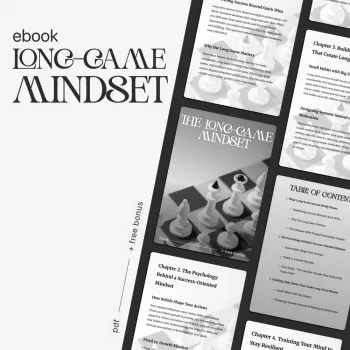
If having a quick, organized reference would help you stay grounded, consider Spotting the Signs Before They Matter — Your Go-To Guide for Icks and Red Flags (Digital Download). For staying steady through uncomfortable conversations and long-term decision-making, The Long-Game Mindset (eBook) is a helpful companion when you want less reactivity and more clarity.
FAQ
Can an ick turn into a red flag?
Yes—especially if the “ick” is actually an early sign of disrespect, boundary pushing, or dishonesty. Watch for repetition, the impact on your dignity and autonomy, and whether they take accountability or try to minimize what happened.
What if a red flag shows up only once?
Bring it up directly and watch the repair: real responsibility, no minimizing, and consistent behavior change over time. Certain behaviors—coercion, threats, intimidation, or anything that compromises consent—warrant immediate distance even if they happen once.
How do you bring up a concern without sounding accusatory?
Stick to a specific observation, name the impact, and make a clear request or boundary. A simple format is: “When X happened, I felt Y; I need Z,” then watch whether their actions match their words afterward.