Eat Well on a Tight Budget: No-Hunger Checklist
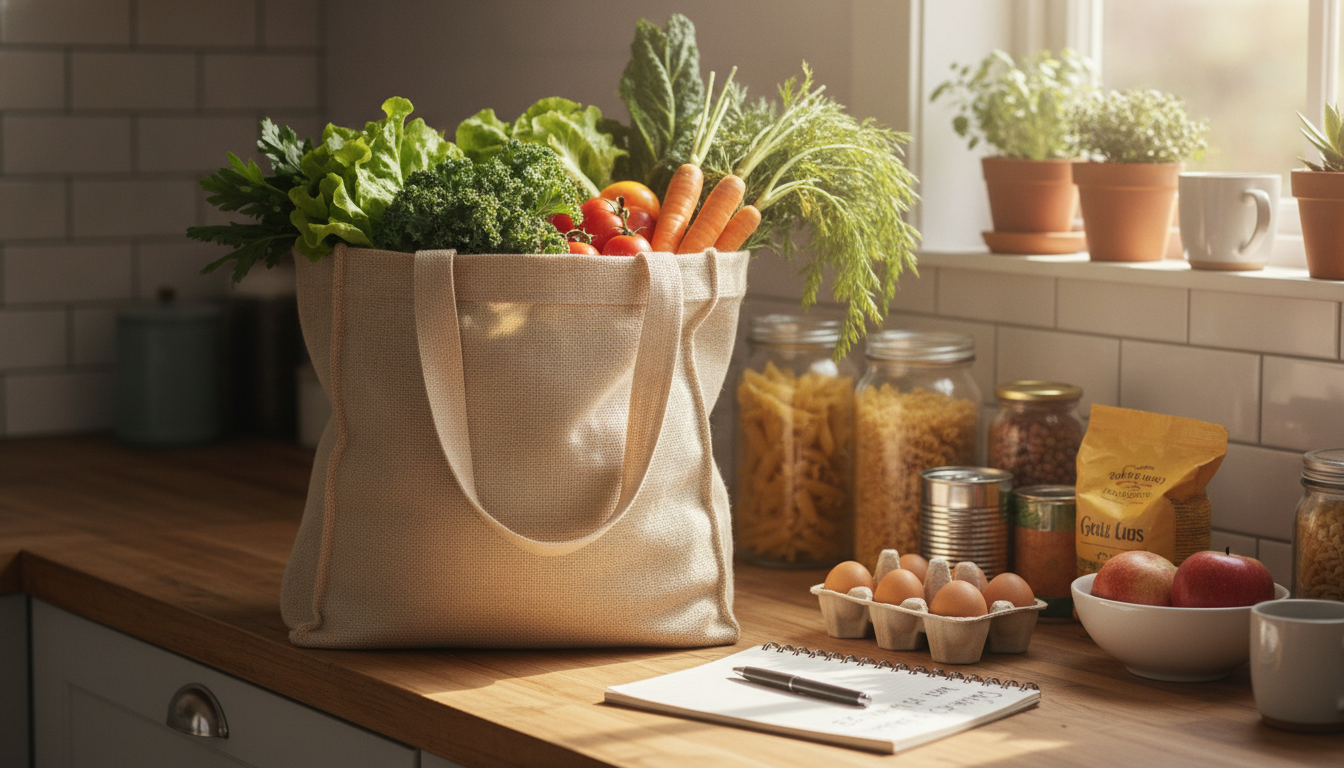
Budget Like a Pro Without Going Hungry Checklist
Eating well on a tight budget gets dramatically easier when the big decisions are made once and followed consistently. A simple checklist reduces impulse buys, stretches staples into satisfying meals, and keeps the fridge stocked with flexible ingredients that work across the week. If you want a repeatable routine you can run even on busy days, the Budget Like a Pro Without Going Hungry Checklist is designed to help you plan, shop, and cook without that “there’s nothing to eat” feeling.
What “not going hungry” actually means on a budget
“Cheap food” isn’t always filling food. Not going hungry means meals have enough calories and protein to keep you satisfied for hours—not just until the next snack run.
- Plan for fullness: Build meals around protein and high-fiber carbs so they feel substantial.
- Rely on a small set of staples: Rice, oats, potatoes, beans, eggs, and frozen vegetables can cover most of the week with minimal waste.
- Use a simple routine: Plan → shop once → prep a little → assemble fast meals.
- Budget for satisfaction: Include at least one “enjoyment” item (fruit, yogurt, a sauce, or a spice blend) to reduce the urge to overspend on takeout later.
The checklist system: quick steps that prevent overspending
A budget-friendly week works best when you treat groceries like a system rather than a daily decision.
- Set a weekly grocery number and add a small buffer for midweek restocks (milk, bananas, salad greens).
- Check pantry and freezer first: write down what must be used soon (half a bag of rice, opened salsa, wilting spinach) to avoid waste.
- Choose 2–3 anchor proteins for the week (beans + eggs + chicken thighs, for example), then plan meals around them.
- Pick 6–10 flexible ingredients that remix easily: tortillas, frozen mixed vegetables, canned tomatoes, shredded cheese, peanut butter, oats, yogurt.
- Write a “no excuses” list of three emergency meals you can make in 10 minutes (omelet + toast, tuna wrap, beans and rice bowl).
For a ready-to-use version you can keep on your phone, start with the Budget Like a Pro Without Going Hungry Checklist and reuse it weekly with small tweaks based on what’s on sale.
Smart shopping rules that keep the cart under control
- Shop with a short list and use a “replace, don’t add” rule: if something goes in the cart, something else comes out.
- Prioritize store brands for staples (oats, rice, canned beans, frozen vegetables). Save name brands for one or two items where taste matters most.
- Use unit prices: the lowest sticker price isn’t always the best value per ounce.
- Buy frozen produce when fresh is expensive—less spoilage, easy portions, and it’s there when plans change.
- Don’t shop hungry: have a quick snack first (banana, yogurt, or a handful of nuts) so your cart reflects your plan, not cravings.
For more budget-friendly food planning guidance, the MyPlate budget-friendly tips are a helpful reference for building balanced meals at lower cost.
Meal-building blocks that feel filling
The simplest “stay full” formula is protein + fiber + a little fat + flavor. When those show up consistently, you spend less time hunting for snacks and more time feeling steady.
Go-to building blocks
- Protein: eggs, canned tuna/salmon, beans/lentils, chicken thighs, Greek yogurt, tofu.
- Fiber: oats, brown rice, whole-wheat pasta, potatoes with skin, beans, frozen berries.
- Flavor boosters: garlic, onions, salsa, soy sauce, curry powder, hot sauce, lemon/lime.
- Fats for satiety: olive oil, peanut butter, cheese, avocado (when affordable).
- Batch-cook one base: rice, roasted potatoes, a pot of beans, or pasta to cut weekday decision fatigue.
Example weekly plan using flexible staples (swap items based on sales)
| Meal slot | Low-cost base | Add-on protein | Flavor/veg add-in | Leftover strategy |
|---|---|---|---|---|
| Breakfast | Oats | Greek yogurt or peanut butter | Frozen berries + cinnamon | Make overnight oats for 2–3 days |
| Lunch | Rice or tortillas | Beans or canned tuna | Frozen veg + salsa | Turn leftovers into burrito bowls |
| Dinner | Potatoes or pasta | Eggs or chicken thighs | Onion + canned tomatoes + greens | Repurpose into hash or pasta bake |
| Snack | Fruit or popcorn | Cheese stick or nuts (small portion) | Tea/coffee at home | Pre-portion snacks to avoid grazing |
Prep lightly: the minimum that makes weekdays easier
You don’t need an all-day meal prep session. A few small actions make the rest of the week faster and cheaper.
Avoid the most common budget leaks
If you want a realistic baseline for food costs that changes over time, the USDA Cost of Food reports can be useful context when setting a weekly number.
Use the Budget Like a Pro Without Going Hungry Checklist
Helpful add-ons for staying consistent week to week include a simple mindset reset like Bright Side Up: A Simple Guide to Getting Positive Thoughts Every Day and a practical online-shopping companion such as Master Return Policies & Spot Scams with Confidence on Amazon.
Quick start: a 30-minute setup for the week
For general budgeting structure (beyond groceries), the Consumer Financial Protection Bureau’s budgeting resources are a solid place to start.
FAQ
Can a checklist really reduce grocery spending without cutting portions?
Yes. Planning around staples, choosing 2–3 anchor proteins, and relying on emergency meals reduces waste and impulse buys, which lowers total cost while keeping meals filling.
What are the best low-cost foods that keep you full?
Oats, potatoes, beans/lentils, eggs, frozen vegetables, brown rice, and peanut butter are strong options. Combining protein + fiber + a little fat tends to keep you satisfied the longest.
How do you stick to a grocery budget when prices change every week?
Use flexible recipes and swap based on sales, lean on frozen/canned alternatives, and compare unit prices instead of sticker prices. A small weekly buffer also helps absorb surprise price jumps without breaking your plan.










Leave a comment