Smarter Shopping Checklist: Beat Retail Psychology Fast

Smarter Shopping: A Checklist to Sidestep Retail Psychology
Retail spaces, websites, and apps are built to speed up decisions and soften resistance to spending. The goal isn’t to “never buy”—it’s to buy on purpose. A simple, repeatable checklist slows the moment down, helps you spot common influence tactics, and keeps the final decision tied to need, budget, and value instead of pressure.
Why shopping feels urgent (even when it isn’t)
Shopping can feel oddly time-sensitive because the environment is engineered for momentum. Limited-time cues, strategic layouts, and frictionless checkout reduce the time you have to pause, compare, or reconsider. When decisions happen fast, mental shortcuts take over—“deal equals good,” “popular equals right,” or “this will fix my life.”
Emotional state matters more than most people expect. Stress, hunger, fatigue, or even a celebratory mood can lower your threshold for “why not?” purchases. What helps is a checklist approach: notice what’s happening, verify the claim, then decide. It turns a reactive impulse into a sequence you can repeat anywhere.
The 60-second pause: a mini routine before adding to cart
This one-minute routine adds just enough friction to interrupt autopilot without turning shopping into homework.
- Name the trigger: What set this off—price-drop alert, scarcity banner, influencer mention, a boredom scroll, or walking past an endcap?
- Confirm the goal: Swap “Do I want it?” for “What problem does this solve today?” If the answer is vague, the purchase usually is too.
- Set a delay rule: If it wasn’t on your list, wait—24 hours for non-essentials, 7 days for big-ticket items. Delayed desire often reveals true priorities.
- Check totals early: Open the cart and look at subtotal plus shipping, tax, and fees before browsing more. “Just one more item” feels different when the real total is visible.
Common psychological traps and the simplest counter-moves
Retail psychology isn’t magic; it’s pattern. Once you recognize the pattern, a small counter-move is usually enough.
Scarcity and urgency
Countdown timers, “Only 2 left,” and “Ends tonight” aim for panic, not clarity. The simplest test: leave the page and come back later, or check tomorrow. If the “deadline” keeps extending, it wasn’t a deadline—it was a lever.
Anchoring
Decoys and good-better-best tiers
Bundles and multi-buy deals
Free shipping thresholds
| Tactic you may see | What it tries to trigger | Quick check | Smarter response |
|---|---|---|---|
| Countdown timers / “Ends tonight” | Fear of missing out | Is the end time verifiable or repeated tomorrow? | Walk away and set a reminder; buy only if still needed later |
| “Was $99, now $49” | Anchoring on the higher price | What’s the typical price elsewhere? | Search comparable items; decide from value, not the anchor |
| “Best value” highlighted plan | Default bias toward the middle option | Do you need the extra features? | Choose the minimum that meets your requirements |
| Add-on popups at checkout | Sunk cost feeling after investing time | Would you buy it standalone? | Remove add-ons unless they were planned |
| Influencer/social proof widgets | Herd behavior | Are reviews verified and recent? | Check independent reviews; focus on return policy |
Price checks that protect your budget (without endless research)
Online shopping traps (designed for one-click decisions)
- Personalized pricing and promotions: If prices feel unstable, compare in a private window or after clearing cookies.
- Dark patterns: Watch for pre-checked boxes, confusing “No thanks” buttons, and hidden subscriptions. Helpful background reading: Nielsen Norman Group’s overview of dark patterns.
- Auto-renew trials: Set a cancellation reminder immediately after starting any trial. For policy context, see the FTC guidance on negative option marketing.
- Buy now, pay later: Treat installments as the full price today; if it doesn’t fit the monthly budget, it doesn’t fit.
- Return friction: Confirm return windows, who pays shipping, and whether refunds are store credit.
In-store tactics and how to stay in control
A printable checklist that makes smarter shopping automatic
If you want a ready-made version, the Smart Shopper Checklist printable PDF download is designed for quick use during browsing, seasonal sales, and gift shopping.
Digital download: ready-to-use smart shopper checklist
A printable format helps when you’re tired, rushed, or tempted—exactly when overspending is most likely. The How to Avoid Psychological Traps Retailers Use: Your Smart Shopper Checklist digital download is built to spot pressure cues and replace them with consistent steps you can repeat.
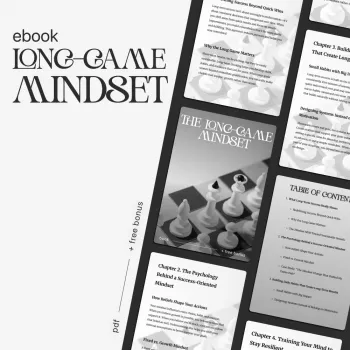
For longer-term behavior change (not just one purchase), pair a checklist with mindset and systems. Consider The Long-Game Mindset for building sustainable habits, and for style-related spending, Using the Clothes You Already Own with AI to get more outfits out of what’s already in your closet.
For a deeper look at why quick decisions feel so convincing, Daniel Kahneman’s work on fast vs. slow thinking is a useful foundation: Thinking, Fast and Slow (overview).
FAQ
What are the most common psychological traps retailers use?
Common traps include scarcity/urgency, anchoring, decoy pricing tiers, social proof, checkout add-ons, and free-shipping thresholds. The quickest counter-move is a short pause plus one verification step (compare prices, confirm need, or leave and return later).
How can impulse buying be reduced without tracking every expense?
Use a 60-second pause routine, a delay rule for unplanned items, and a walk-away price before browsing. A one-page checklist keeps the process consistent without requiring detailed expense tracking.
Does a printable checklist actually help with overspending?
Yes—checklists reduce decision fatigue, add friction at the exact moment you’re most likely to impulse-buy, and standardize comparisons. Using it before, during, and after purchases also helps catch patterns and refine future rules.











Leave a comment