AI-Personalized Skincare Plan for Clearer Skin
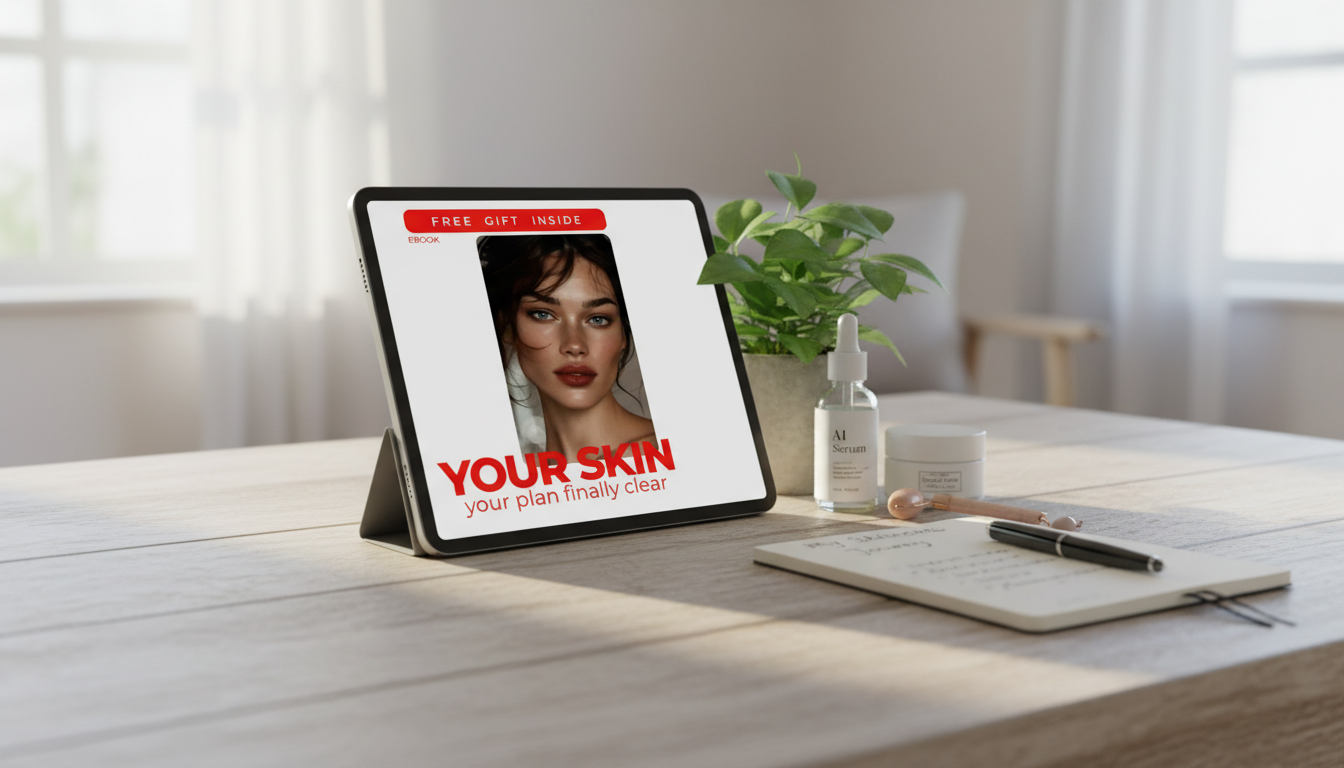
Your Skin, Your Plan: Finally Clear with AI-Personalized Skincare
A skincare routine works best when it matches real variables: skin type, sensitivity, climate, goals, and what products already fit your budget and lifestyle. A digital guide built around AI-driven personalization helps turn those variables into a clear, repeatable plan—without guesswork, overbuying, or constantly switching products.
If skincare has felt like a cycle of “try, react, quit,” personalization brings the focus back to the basics: what your skin can tolerate, what you’re trying to change, and what you can realistically do every day.
What makes a personalized skincare plan different
A personalized skincare plan isn’t just a list of trendy steps. It’s a routine designed to match your specific concerns—like acne, dryness, dark spots, texture, redness, or early signs of aging—while respecting your skin’s limits.
- It matches ingredients to your goals: For example, oil control and clogged pores need a different approach than flaking and tightness.
- It accounts for tolerance: Sensitive skin typically needs a slower pace with active ingredients, fewer variables, and more barrier support.
- It keeps things consistent: Results usually come from repeatable habits, not complicated routines that are hard to stick with.
- It prioritizes essentials first: A solid cleanser, moisturizer, and sunscreen can do more than five “extras” used inconsistently.
How AI personalization typically improves routine decisions
AI-based personalization is most helpful when it organizes messy information into a routine you can actually follow. Instead of treating every product as a must-have, it helps you build a logical order and a pacing strategy.
- Turns inputs into a usable routine: Skin type, concerns, environment, current products, and constraints become a practical AM/PM sequence.
- Highlights ingredient families and common conflicts: It can flag issues like stacking multiple strong exfoliants, or combining too many irritating steps at once.
- Creates an introduction schedule: New actives are added gradually to reduce irritation and make it obvious what’s helping (or not).
- Encourages tracking: Changes are judged by patterns over weeks—not one “bad skin day.”
For foundational skin care principles and routine basics, the American Academy of Dermatology Association offers straightforward guidance that pairs well with a personalized plan.
What’s included in the guide
Your Skin Your Plan Finally Clear: AI Personalized Skincare Guide is designed to help you build (and keep) a routine that matches your goals and tolerance.
- A step-by-step framework for building an AM/PM routine that fits your skin and lifestyle
- Ingredient guidance and routine logic to reduce product clashes and “irritation spirals”
- A simple method for evaluating products you already own before buying more
- Templates/prompts for generating a routine, then refining it over 2–6 weeks based on results
Consistency is the quiet advantage—especially when motivation drops. If you like pairing a skin reset with a stronger follow-through mindset, The Long-Game Mindset can support the habit-building side of sticking with a plan long enough to see changes.
Routine building blocks: the essentials that do the most
Before adding treatments, make sure the foundation feels comfortable and stable. Essentials reduce background irritation, which often makes actives easier to tolerate.
- Cleanser: Choose based on oiliness, makeup/sunscreen use, and sensitivity. If you feel tight, squeaky-clean, or stingy after washing, your cleanser may be too stripping.
- Moisturizer: Supports the skin barrier, improves tolerance to treatments, and reduces flaking or tightness.
- Sunscreen (AM): Foundational for preventing dark spots and supporting most treatment goals. It also protects the barrier while you’re using actives.
- Treatment step (optional at first): Add only after your basic routine feels stable for 1–2 weeks.
When comparing product claims, it helps to understand the basics of how cosmetics are regulated and labeled. The U.S. Food & Drug Administration cosmetics resource is a useful reference for what labels can (and can’t) promise.
Examples of how a plan changes by skin goal
Personalization means the “best routine” shifts depending on what you’re trying to improve and how reactive your skin is. These examples show how priorities change—especially early on.
| Goal | AM core | PM core | Add-ons (only if tolerated) |
|---|---|---|---|
| Acne-prone | Gentle cleanser + lightweight moisturizer + sunscreen | Cleanser + moisturizer | Acne treatment 2–4 nights/week; spot care as needed |
| Dry/barrier support | Rinse or gentle cleanser + rich moisturizer + sunscreen | Gentle cleanser + moisturizer | Occlusive layer on dry areas; introduce actives slowly |
| Dark spots/uneven tone | Cleanser + moisturizer + high-protection sunscreen | Cleanser + moisturizer | Targeted brightening step 3–5 nights/week; avoid over-exfoliation |
| Sensitive/reactive | Minimal cleanser (if needed) + soothing moisturizer + sunscreen | Gentle cleanser + soothing moisturizer | Single active introduced gradually; patch test every new product |
Acne-prone
Prioritize gentle cleansing, non-comedogenic hydration, and a slow introduction of acne-targeting treatments while preventing over-drying. For acne that’s painful or persistent, reputable clinical overviews (like the NHS acne guidance) can help you recognize when it’s time to seek medical support.
Dry or compromised barrier
Dark spots/uneven tone
Sensitive/reactive
How to use the guide for best results (a simple timeline)
Safety, sensitivity, and ingredient conflicts to watch for
Who this guide fits best
FAQ
How long does it take to see results from a new skincare plan?
Comfort and hydration can improve within days to about 2 weeks, while acne and discoloration often take 4–12 weeks. Consistency—and daily sunscreen when addressing tone—makes the biggest difference.
Can a personalized plan help if skin is sensitive or reactive?
Yes. A good personalized plan emphasizes fewer steps, patch testing, barrier support, and a slow introduction of actives, with clear guidance on when to stop and simplify if irritation shows up.
Should multiple active ingredients be started at the same time?
No. Add one new active at a time, space changes by at least 1–2 weeks, and adjust frequency gradually so it’s clear what’s working and what’s causing irritation.











Leave a comment