Best Lipstick for Your Skin Tone: Undertone & Shade Guide
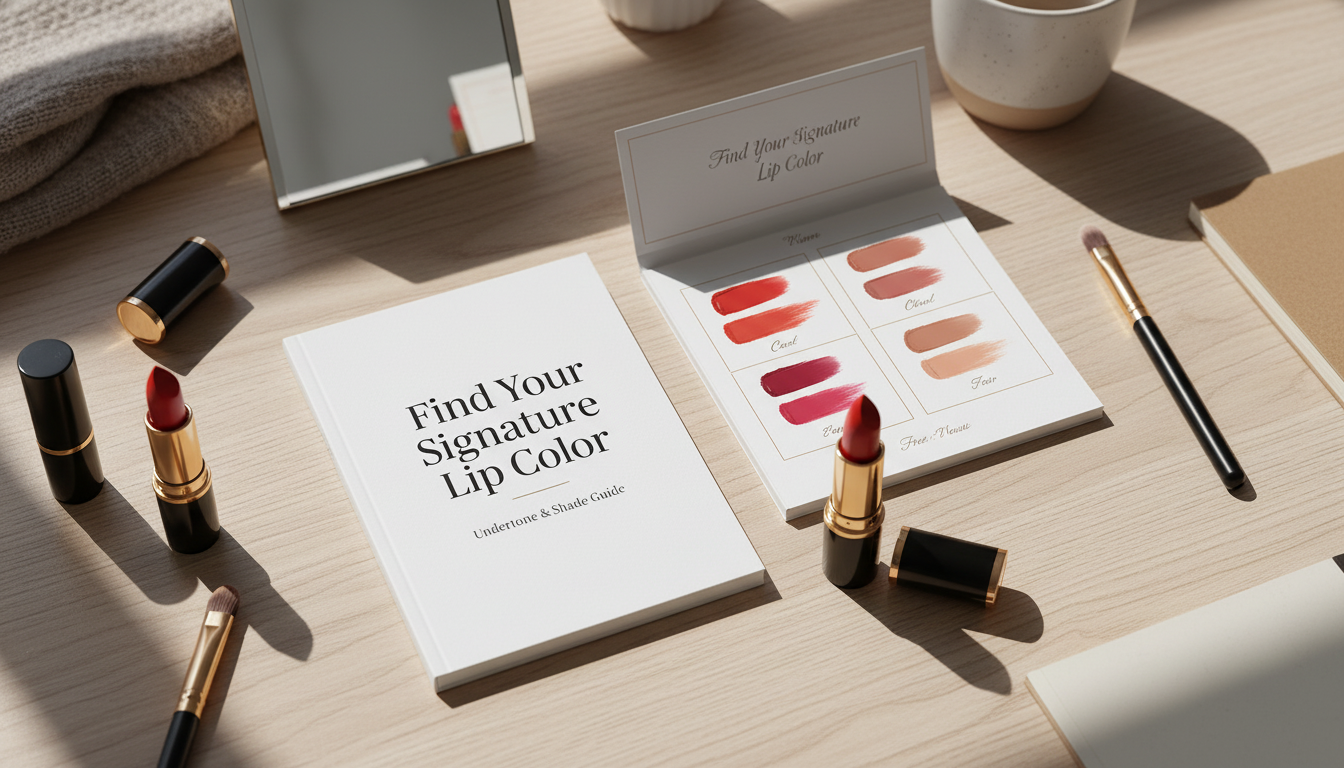
Find Your Signature Lip Color: A Practical Guide to the Best Lipstick for Your Skin Tone
A great lip color can brighten the face, balance makeup, and make getting ready faster—if it matches your undertone, your skin depth, and a finish that feels comfortable. Use the steps below to identify what flatters you most, then build a small, reliable lineup you’ll actually wear in real life (including indoor lighting, cameras, and quick touch-ups).
Start with Undertone (Warm, Cool, Neutral)
Undertone is the temperature that shows through the skin. It’s different from surface tone (which can change with sun exposure or skincare). Because no single “test” is perfect, look for agreement across a couple of clues.
- Vein check: blue/purple often reads cool; green often reads warm; a mix can be neutral.
- Jewelry test: silver tends to flatter cool; gold tends to flatter warm; both can work for neutral.
- Sun response: burning easily can correlate with cool; tanning easily can correlate with warm; mixed response can be neutral.
- Confirm with 2–3 signs: undertone is easier to trust when multiple hints match.
If your lips are frequently dry or flaky, texture can distort how color shows up. Simple prep helps shades read “true.” For lip-care basics, see the American Academy of Dermatology Association’s lip care guidance.
Match Lipstick to Skin Depth (Light to Deep)
Depth is how light or deep your overall coloring is. A shade can be the “right” undertone yet still look off if it’s too pale, too dark, or too close to your skin tone.
- Light skin: softer contrast often looks natural—pink-beige nudes, light rose, peachy pink, sheer berries.
- Light-medium/medium skin: a balanced range—rosy nudes, warm peach, mauve, classic reds, mid-tone berries.
- Tan/deep skin: richer pigment can look more vivid—caramel/cocoa nudes, deep rose, brick red, wine, plum, chocolate brown.
- When a nude looks “off”: it’s usually too light/ashy or too close to the skin tone; go a touch deeper or slightly warmer.
If you’re unsure where you fall, it can help to think in broad skin phototypes rather than exact labels. DermNet’s overview of Fitzpatrick skin type is a useful reference point.
Quick Shade Map by Undertone and Depth
| Undertone | Light | Medium | Deep |
|---|---|---|---|
| Cool | pink nude, cool rose, raspberry | mauve, cherry red, berry | wine, plum, blue-red |
| Warm | peach nude, coral, warm pink | terracotta, brick red, warm berry | cinnamon nude, oxblood, warm plum |
| Neutral | pink-beige nude, rosewood, soft berry | neutral rose, classic red, mauve-berry | deep rose, neutral berry, espresso nude |
Pick a “Signature” Family: Nude, Rose, Red, Berry
Once you’ve got undertone and depth, choosing a “family” makes shopping and decluttering faster. Start with one family that feels most like you, then branch out.
- Nude: aim slightly deeper than your natural lip for a polished everyday look; avoid gray/white bases if they read ashy.
- Rose: often the most universally wearable—easy for work, casual outfits, and “put-together” days.
- Red: choose the direction—blue-red feels crisp and bright; orange-red feels warm and energetic; brick red feels grounded and softer.
- Berry: ranges from sheer stain to dramatic plum; especially flattering in cooler lighting and for evening.
Finish and Formula: How Texture Changes the Shade
The same pigment can look noticeably different depending on finish. If a color “should” work but doesn’t, the formula may be the real issue.
- Matte: looks bolder and can deepen the shade; prep with balm and a light exfoliation for smoother wear.
- Cream/satin: forgiving for comfort and lip lines; often reads truest to the bullet color.
- Gloss: light reflection can make shades look lighter and sheerer; great for softening strong colors.
- Sheer/stain: ideal for “my lips but better” and for testing new families without full opacity.
- Long-wear liquid: can dry down more intense and slightly cooler; test in daylight before committing.
If you deal with frequent chapping, consider addressing the cause first—color lays better on comfortable lips. The Cleveland Clinic overview of chapped lips can help you spot common triggers.
A Simple At-Home Test (No Guesswork)
Adjust Any Lipstick to Fit Your Face
Build a Mini Lip Wardrobe (3 Shades That Cover Everything)
Digital Guide: A Faster Way to Find Your Match
- Find Your Signature Lip Color – A Practical Guide to the best lipstick for your skin tone | Digital Beauty Guide Download (Digital download)
- Using the Clothes You Already Own with AI | Smart Wardrobe Guide for using chatgpt for outfit ideas based on your clothes | Digital Style System Download (Helpful for matching lip color to outfit vibe and contrast)
- Effortless Style with the Perfect Jean Jacket – Digital Guide | How to Wear a Jean Jacket | Wardrobe Styling eBook (Easy outfit formulas that pair well with “signature” lip choices)
FAQ
What if my undertone seems neutral?
Lean into balanced shades like rosewood, neutral reds, and mauves, then fine-tune with liner or gloss (slightly warmer or cooler). Test in indirect daylight to confirm the shade doesn’t turn too gray or too orange.
How do I pick a nude lipstick that doesn’t wash me out?
Choose a nude that’s slightly deeper than your natural lip color and aligned with your undertone, and avoid very pale or gray-based nudes. A lip liner close to your natural lip shade adds definition and prevents a “flat” look.
Why does the same lipstick look different on different people?
Lip pigment, undertone, skin depth, lighting, and finish all shift how color reads. Matte formulas often look deeper and cooler, while gloss makes shades appear sheerer and lighter.











Leave a comment