Breakup Cleanse: A 7-Day Breakup Hygiene Reset

Breakup Cleanse: Healthy Healing vs Toxic Coping (and a Simple Breakup Hygiene Plan)
A breakup can scramble routines, sleep, appetite, and self-esteem. A “breakup cleanse” isn’t about erasing feelings—it’s about choosing supports that calm the nervous system, protect dignity, and move grief forward. Use the guide below to spot common toxic coping loops, swap in healthier alternatives, and build a small daily breakup hygiene routine that makes healing feel more steady and less chaotic.
What “breakup hygiene” means (and why it works)
Breakup hygiene is a set of practical, repeatable habits that reduce emotional re-injury. Like sleep hygiene, it’s less about willpower and more about small choices that compound—especially when emotions are loud and impulse control is low.
At its core, breakup hygiene prioritizes nervous-system regulation: steadier sleep, basic nourishment, movement, supportive connection, and clear boundaries. When the body feels less “threatened,” emotions become easier to feel without escalating into spirals—fewer impulsive texts, fewer late-night profile checks, and fewer “post-breakup hangovers” the next day.
Most importantly, it helps separate grief (healthy pain that needs space) from self-abandonment (avoidable pain that comes from ignoring needs, breaking boundaries, and trading dignity for a moment of relief).
Healthy healing vs toxic coping: quick cheat sheet
Healthy healing allows feelings while protecting your future self. Toxic coping trades short-term relief for long-term distress. Some behaviors are common after a breakup and still become toxic when they’re repetitive, escalating, or followed by regret and avoidance.
Track outcomes, not just intentions: over time, do you feel steadier, have fewer urges, rebuild self-trust, and gain more clarity? That’s the direction you want—even if you still feel sad.
Breakup Hygiene vs Toxic Coping (Examples and Better Swaps)
| Moment | Toxic coping (short-term relief) | Healthy healing (protects you) | Try this today |
|---|---|---|---|
| Nighttime loneliness | Scrolling their profiles; rereading old texts | No-contact cues; soothing routine | Move photos to a hidden folder; 10-minute wind-down (shower + tea + low light) |
| Urge to reach out | “Just checking in” message; indirect posting | Pause and regulate before deciding | Set a 30-minute timer; write the message in notes; take a short walk |
| Self-blame spiral | Interrogating every mistake; comparing to their new life | Reality-checking and self-compassion | List 3 facts (not stories) about what happened; add one kind sentence to yourself |
| Social pain | Isolating completely or overbooking to avoid feelings | Balanced connection | Text one supportive person; plan one low-pressure outing |
| Numbness | Alcohol/weed binge; rebound to avoid grief | Gentle re-engagement with life | Protein + water; 15 minutes of movement; one small task to finish |
| Anger | Revenge behaviors; public venting | Safe expression and boundaries | Write an unsent letter; delete draft later; block/mute if needed |
A 7-day breakup cleanse plan (small steps, big relief)
This plan is intentionally small. The goal isn’t a personality overhaul—it’s momentum, steadiness, and fewer “reset to zero” days.
Day 1: Stabilize basics
Hydrate, eat something with protein, and choose a consistent bedtime window. Even a modest sleep rhythm can reduce intrusive thoughts and emotional intensity.
Day 2: Reduce re-injury
Mute/unfollow, remove shortcuts to their profiles, and create a “no late-night texting” rule. Late-night contact is often anxiety in disguise.
Day 3: Make space to feel
Set a 15-minute “grief window” for journaling or crying without judgment. When the timer ends, transition on purpose (wash your face, change rooms, or step outside).
Day 4: Rebuild self-trust
Complete one small promise to yourself: laundry, a walk, an appointment, or meal prep. Self-trust returns through kept promises, not perfect feelings.
Day 5: Reconnect
Day 6: Reclaim identity
Day 7: Review and adjust
Breakup triggers and what to do in the first 10 minutes
- Use a 10-minute rule: no texting, posting, or checking profiles until your body settles.
- Ground first: drink water, wash your face, step outside, or do 4-7-8 breathing.
- Name the emotion and the need: “I feel rejected; I need reassurance.” Then choose a safer source (friend, journal, therapist).
- Reduce access if urges repeat: block, mute mutual updates, or remove apps from the home screen.
- If panic or despair feels unmanageable: seek professional support immediately. Resources like the 988 Suicide & Crisis Lifeline are available 24/7 in the U.S.
For broader stress-coping strategies, see the American Psychological Association’s coping guidance and the National Institute of Mental Health’s mental health care resources.
Boundaries that prevent emotional “relapse”
Support tools: a printable-style guide for clarity when emotions are loud
If you want a ready-to-use format, Breakup Cleanse: Your Guide to Healthy Healing vs Toxic Coping (digital download) is designed as a quick-reference guide you can revisit when urges spike.
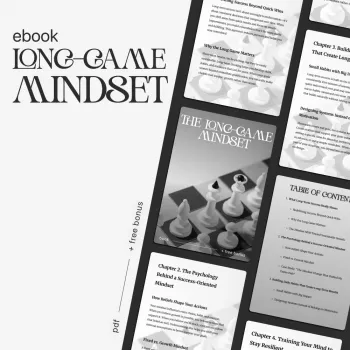
For the longer arc—rebuilding resilience and staying consistent with your boundaries—The Long-Game Mindset (ebook) pairs well with breakup hygiene by focusing on sustainable habits and self-trust.
FAQ
Is it normal to miss someone who was bad for you?
Yes. Attachment can stick to familiarity and intermittent reinforcement (good moments mixed with painful ones), and you may be grieving the hope or idea of the relationship as much as the person. When the urge hits, ground your body first, then reinforce one boundary that protects you (like no profile-checking for 24 hours).
How long does breakup healing take?
Timelines vary based on relationship length, intensity, betrayal, support, and prior trauma. A useful measure is progress markers—fewer spirals, shorter recovery time after triggers, and more self-trust—rather than a specific end date.
What if contact is unavoidable because of kids, work, or shared housing?
Use a low-contact structure: one logistics-only channel, scheduled communication windows, and short scripts that avoid emotional processing. If co-parenting or conflict is intense, professional guidance can help you set boundaries that are realistic and enforceable.











Leave a comment