Pet-Friendly Cleaning Routine: Daily, Weekly & Monthly
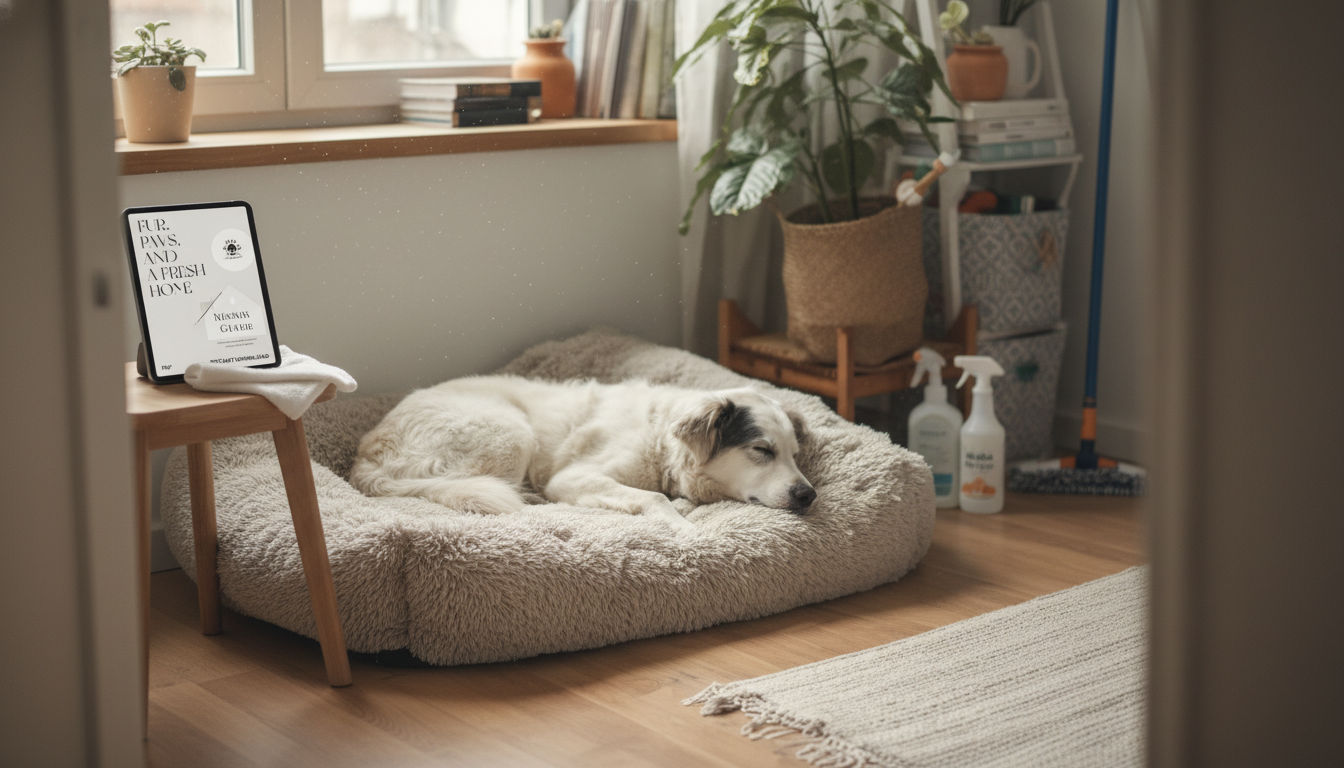
Fur, Paws, and a Fresh Home: A Step-by-Step Cleaning Routine for Pet-Friendly Homes
Pets make a home happier—and a little messier. Shedding, dander, muddy paw prints, and occasional accidents can build up fast if the routine isn’t designed for real life. The good news: a clean, comfortable space doesn’t require constant deep-cleaning. With the right setup and a few repeatable habits, floors, fabrics, and indoor air can stay noticeably fresher while keeping cats and dogs safe.
Set up a pet-friendly cleaning zone (so tidying is faster)
The easiest cleaning routine is the one you can start in under a minute. Create a small “cleaning zone” in a closet, laundry area, or under the sink so supplies are always within reach.
- Build a grab-and-go kit: lint roller, microfiber cloths, enzyme cleaner, disposable gloves, small trash bags, and a compact hand vacuum for stairs and furniture edges.
- Stage the entryway: place a washable mat inside the door and keep a towel nearby to catch dirt before paws meet your floors.
- Contain the clutter: use a covered bin or lidded basket for toys and grooming tools to reduce fur “drift” and keep the room visually calm.
- Stick to pet-safe basics: unscented detergent, mild dish soap, baking soda, and an enzyme-based cleaner for organic messes (urine, vomit, feces).
If you like checklists you can follow without thinking, the Fur, Paws, and a Fresh Home – How to Clean with Pets in the House (digital guide) organizes these steps into a simple daily/weekly/monthly plan you can reuse.
Daily routine (10–15 minutes) to stay ahead of fur and odor
A short daily reset prevents the “how did it get this bad?” weekend spiral. Keep it light, fast, and focused on the areas pets touch most.
- Do a quick fur sweep: run a microfiber mop or dry dust mop over high-traffic paths (entryway, couch zone, pet beds). This is where hair collects first.
- Spot-clean paw prints: use warm water plus a drop of mild soap on a microfiber cloth; then dry the area to prevent streaks.
- Refresh feeding/litter zones: wipe around bowls, shake out mats, and remove visible debris to reduce lingering smells.
- Ventilate: crack a window for a few minutes or run an exhaust fan/air purifier while cleaning. For deeper guidance on indoor air basics, the EPA’s overview of Indoor Air Quality (IAQ) is a helpful reference.
- Handle accidents immediately: blot first (don’t rub), then apply enzyme cleaner and allow the recommended dwell time before rinsing or blotting again.
Weekly routine (30–60 minutes) by room
Weekly cleaning is where the home starts to feel “reset.” Aim for steady progress, not perfection—especially in multi-pet households.
Floors
Soft surfaces
Pet beds and toys
Bathrooms and mudrooms
Odor control
Monthly deep-clean checklist for a truly fresh home
Pet-Friendly Cleaning Schedule (Quick Reference)
| Task | How often | What to use | Time |
|---|---|---|---|
| Fur sweep on main paths | Daily | Microfiber mop or dry dust mop | 3–5 min |
| Spot-clean paw prints | Daily | Warm water + mild soap | 2–4 min |
| Accident cleanup | As needed | Enzyme cleaner + paper towels/cloths | 5–15 min |
| Vacuum floors & upholstery | Weekly | Vacuum with pet hair tool | 15–30 min |
| Wash pet bedding & blankets | Weekly | Pet-safe detergent | Hands-off + dry time |
| Baseboards/filters/under-furniture | Monthly | Microfiber cloth + vacuum maintenance | 30–60 min |
Materials, fabrics, and surfaces: what works (and what to avoid)
- Hard floors: avoid slippery residue. Use a small amount of cleaner and consider a quick dry mop after—sticky product can get tracked onto rugs.
- Carpets and rugs: prioritize slow, thorough vacuuming and targeted spot treatments. Skip heavy fragrances that linger right at nose level for pets.
- Leather and faux leather: wipe with a damp cloth, then dry. Use conditioner sparingly to avoid creating slick spots that attract hair.
- Cat urine and protein-based messes: enzyme cleaners are typically the most effective option. Avoid ammonia-based products that can mimic urine odor and encourage repeat marking.
- Essential oils and strong disinfectants: use caution. Some oils can be harmful to pets; keep pets out of the room during use and ventilate well. The ASPCA’s animal poison control guidance is a useful starting point when evaluating household hazards: ASPCA Animal Poison Control.
Make it easier: grooming and habit tweaks that reduce cleaning
For motivation on building small, repeatable routines (especially when life is busy), Bright Side Up: A Simple Guide to Getting Positive Thoughts Every Day pairs well with habit-based home systems.
Digital routine guide: follow a clear plan without guesswork
For a ready-to-use plan, see Fur, Paws, and a Fresh Home – How to Clean with Pets in the House (digital guide).
FAQ
What’s the fastest way to remove pet hair from furniture?
Vacuum first with an upholstery tool, then use a slightly damp rubber glove (or a rubber squeegee) to gather remaining hair into clumps. Finish by placing a washable throw where your pet lounges most so future cleanup is mostly a quick shake-out and weekly wash.
How can pet odors be reduced without heavy fragrance?
Focus on ventilation, frequent washing of pet bedding and throws, and using baking soda where materials allow. For organic odors, enzyme cleaners work best, and cleaning vacuum filters/brush rolls helps prevent smells from being recirculated.
Are enzyme cleaners safe to use around pets?
They’re generally safe when used as directed: keep pets away from the wet area, allow full dwell time, and let the surface dry before allowing licking or paw contact. If a pet has sensitivities or you’re cleaning a large area, follow label cautions and consult your veterinarian if concerns come up.











Leave a comment