Confidence Dressing: 5-Minute Outfit Checklist + Formulas
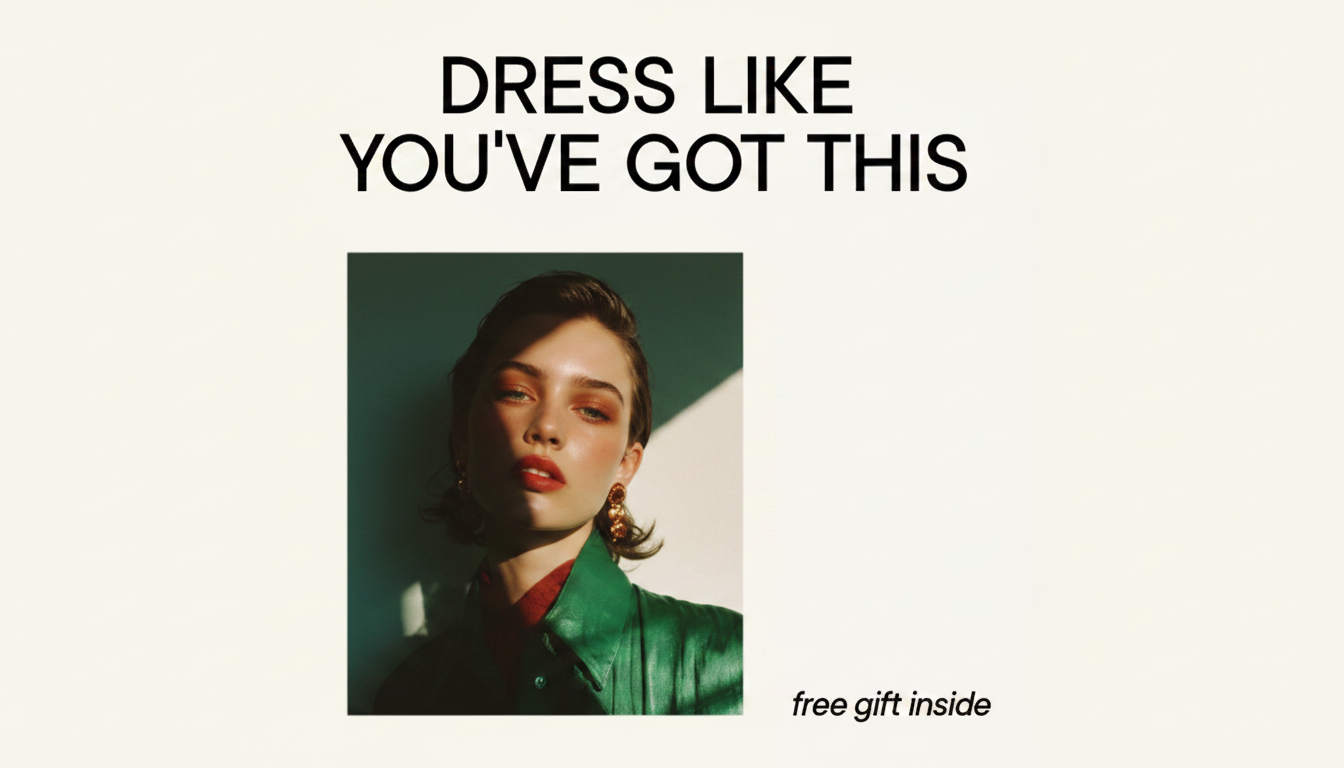
Dress Like You’ve Got This: A Confidence Dressing Guide with a Simple Checklist
Confidence dressing is less about chasing trends and more about building repeatable outfit choices that support posture, presence, and comfort. When your clothes stop distracting you—pinching, slipping, tugging, or requiring constant readjusting—you naturally stand taller and move with more ease. Below is a practical way to define a signature look, edit what’s not working, and use a simple outfit checklist that makes getting dressed faster without sanding off your personality.
What “confidence dressing” actually changes
Confidence dressing works because it removes friction. Instead of starting from scratch every morning, you’re building a small system that keeps you feeling like yourself across different days and moods.
- It reduces decision fatigue by relying on a repeatable outfit formula.
- It creates visual consistency that reads as intentional—even on casual days.
- It improves comfort and movement, which directly affects body language and presence.
- It shifts the question from “Is this flattering?” to “Does this feel like me—and does it work for my day?”
There’s also real research connecting what you wear to how you think and perform. The idea of “enclothed cognition” explores how clothing can influence psychological processes like confidence and attention: systematic review here. And when stress is high, even small daily supports (like a reliable outfit) can help you feel more regulated: APA overview of how stress affects your body.
Start with your confidence cues: fit, fabric, and focus
If you’ve ever put on an outfit that made you instantly exhale, you already know your confidence cues. The trick is naming them so you can repeat them.
Fit: pick one “reliable” silhouette
- High-rise bottoms + a tucked top
- Straight-leg jeans + a fitted knit
- Wrap shapes that define the waist without squeezing
- Tailored layers that create clean edges (blazers, structured overshirts)
Fabric: choose materials that behave
- Prioritize fabrics that hold shape and don’t require constant adjusting.
- Notice what makes you tug, smooth, pull down, or scratch—then stop buying it, even if it looks great on a hanger.
Focus: add one anchor piece
- Structured jacket
- Bold shoe
- Signature jewelry
- Standout color (even if the rest stays neutral)
Before you commit, do a quick comfort test: sit, reach, walk, and raise your arms. If it fails now, it won’t magically feel confident later.
Build a reliable outfit formula (then rotate it)
Instead of trying to create “a good outfit” from scratch, use a simple 3-part structure:
- Base layer: the easy, close-to-body foundation (tee, tank, knit, button-down, or an easy dress).
- Structure layer: the piece that adds shape and authority (blazer, cardigan, denim jacket, trench, overshirt).
- Finishing detail: the small polish that signals intention (belt, earrings, watch, lipstick, polished shoe, clean tote).
Make three go-to formulas—one for errands, one for work/meetings, one for evenings—then rotate colors, shoes, and accessories. Your closet starts to feel bigger without becoming more complicated.
Confidence Outfit Formula Examples
| Where | Base | Structure | Finishing Detail | Why it works |
|---|---|---|---|---|
| Everyday | Straight-leg jeans + fitted tee | Crisp overshirt or denim jacket | Sneakers + small hoops | Easy movement and clean lines |
| Work/Meetings | Midi dress or trousers + knit | Blazer or longline cardigan | Loafer + belt | Instant polish without fuss |
| Evening | Dark denim or slip skirt + top | Leather/structured jacket | Heeled boot + bold lip | Defined contrast and intentional focal point |
| Low-energy day | Matching set or monochrome base | Soft coatigan | Necklace + tidy bun | Looks put-together with minimal effort |
The checklist method: get dressed in 5 minutes
On rushed mornings, confidence comes from having a sequence. Use this checklist like a quick decision tree:
- Step 1: Pick the day’s goal (comfortable, authoritative, approachable, creative, elegant).
- Step 2: Choose one anchor item that matches the goal (shoe, jacket, bag, color, or neckline).
- Step 3: Add a base that won’t compete with the anchor (neutral or tonal pairing).
- Step 4: Add one structure element if needed (layer, belt, tuck, sleeve roll).
- Step 5: Confirm the “3 checks”: comfort, proportion, and practicality (weather + activities).
Keep a short list of pre-approved combos for rushed mornings—think of them as your “no-drama outfits.” Once you find one that works, save it as a repeatable template, not a one-time win.
Closet edit for confidence: keep what supports you
A confidence closet isn’t about having less; it’s about having fewer obstacles. Try a fast edit using four piles:
Color and proportion shortcuts that look intentional
Confidence Dressing Guide eBook & Checklist (digital download)
If you want a more guided, step-by-step way to define your style cues and build repeatable outfit formulas, the Dress Like You’ve Got This – Confidence Dressing Guide eBook & Checklist Digital Download is designed to make the process simple and usable. It’s built for printing or using digitally while planning outfits and doing closet edits—especially helpful if you prefer practical prompts over vague inspiration.
For supportive add-ons that complement confidence dressing from the inside out, pair your outfit system with a quick mindset reset using Bright Side Up: A Simple Guide to Getting Positive Thoughts Every Day. And if hair is part of what makes you feel “put together,” Curls Unleashed: The Ultimate Guide to Long Curly Hairstyles can help you build a go-to routine that matches your outfit formulas.
FAQ
What should be in a confidence outfit checklist?
Include a goal for the day, one anchor item, base pieces that support it, one structure element, and three final checks: comfort, proportion, and practicality (weather and activities).
How do you find a signature look without buying a whole new wardrobe?
Identify 2–3 silhouettes that already work, repeat them with small variations, choose a consistent color direction, and rely on 1–2 signature accessories or layers.
How many outfits should a “confidence capsule” include?
Aim for 10–15 core pieces that create at least 20–30 combinations; focus on fit and coordination rather than quantity.







Leave a comment