Micro-Savings Checklist for Online Shopping (Quick Wins)

Micro-Savings Checklist for Online Shopping: Build Small Wins Into Every Order
Micro-savings are tiny, repeatable habits that lower the cost of purchases already being made—without adding extra complexity. With a simple checklist, everyday clicks (cart, checkout, shipping choice, and timing) become consistent opportunities to keep a few dollars each time. Over weeks and months, those small wins can turn into meaningful progress toward a buffer, a goal fund, or simply less spending drift.
What Micro-Savings Look Like in Real Online Shopping
Micro-savings show up in the unglamorous parts of shopping: choosing a shipping speed, deleting a “just in case” extra, checking unit price, or applying a store credit before it expires. They’re small, frequent decisions that reduce the final total—shipping choices, coupon stacking, timing, and quick cart edits.
These habits work best on repeat purchases and “default buys” (household staples, personal care, basic apparel replacements) because the steps become nearly automatic. A micro-savings rule is successful when it’s easy to do every time, even on busy days. Consistency matters: saving $1–$5 repeatedly often beats a rare, time-consuming bargain hunt.
As a baseline for safe online buying practices, it also helps to review guidance like the Federal Trade Commission’s online shopping tips, especially around returns, dispute steps, and spotting red flags.
The Checklist: Before You Add to Cart
- Set a default waiting rule for non-urgent items (for example, 24 hours) to reduce impulse adds.
- Search the site for bundles, multi-packs, refills, or “subscribe and save” options only if they can be canceled easily.
- Check unit price (per ounce, per count, per sheet) rather than relying on sticker price.
- Confirm whether a slightly larger size reduces cost per unit without increasing waste.
- If the item is replaceable with something already owned, pause and note the substitute.
- Add a “needs vs. wants” label in the cart (a quick note in the item title or a shopping list app).
One practical approach: decide ahead of time which categories are “no-wait” (medicine, replacement chargers for work, school items needed by a date) and which are “always-wait” (decor, trend items, upgrades). That single rule can cut down the number of carts that quietly grow over a week.
The Checklist: In the Cart (Where Most Savings Hide)
- Remove duplicates and “backup” items that were added out of anxiety rather than necessity.
- Check for a free-shipping threshold; compare adding a needed household staple vs. paying shipping.
- Apply store credits, loyalty points, and gift card balances first to avoid forgetting them.
- Look for a dedicated promo/coupon field and test one code at a time to avoid overwriting better discounts.
- If multiple sellers exist, compare total landed cost (item + shipping + taxes + delivery time).
- Switch to “ship with slower delivery” when there is a discount or credit benefit.
- Verify return terms for higher-priced items; a strict return policy can turn a ‘deal’ into a loss.
Quick Cart Decisions That Create Micro-Savings
| Cart Moment | Fast Check | Typical Result |
|---|---|---|
| Shipping threshold | Is paying shipping cheaper than adding extras? | Avoids “free shipping” overspend |
| Coupon box | Try 1–2 codes; confirm the best one stays applied | Locks in the highest discount |
| Multi-seller item | Compare total cost after shipping/tax | Prevents a higher final total |
| Quantity | Do you truly use this amount before it expires? | Reduces waste and regret returns |
| Rewards/credits | Any points expiring soon? | Uses benefits before they lapse |
If you only do one cart habit, make it “landed cost.” Two listings can look identical until shipping, taxes, and delivery time are added. A slightly higher item price can still win if shipping is cheaper, returns are easier, or delivery is faster (so you don’t place a second emergency order).
The Checklist: At Checkout (Make the Total Smaller Without Extra Effort)
Timing and Price Patterns: Small Rules That Add Up
For saving routines and goal-setting that stick, the Consumer Financial Protection Bureau’s budgeting guidance is a helpful reference for turning small wins into a system.
Turn Micro-Savings Into Visible Progress
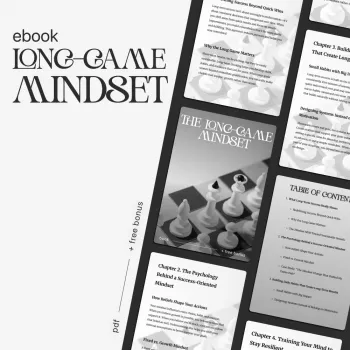
For longer-term consistency, pairing practical habits with a mindset framework can help. The Long-Game Mindset focuses on sustainable follow-through, which fits naturally with micro-savings that compound over time.
Digital Checklist Option for Faster, Repeatable Habits
For a simple, downloadable version designed specifically for online purchases, see the Micro-Savings Checklist for Online Shopping digital download guide. Keeping it on your phone (or as a pinned note) turns the checklist into a default—so you’re not relying on memory when you’re tired or in a rush.
FAQ
How much can micro-savings from online shopping realistically add up to?
For many households, a realistic range is about $2–$10 per week, depending on how often you order and which habits you adopt. The total usually comes from consistent small reductions (shipping decisions, unit price checks, rewards) rather than one big discount. Track a month of checkouts and note the dollars saved each time to estimate your personal average.
Should free shipping ever be avoided?
Yes—when it triggers the “free-shipping trap,” where extra items cost more than the shipping fee you’re trying to avoid. Compare the shipping charge to the cheapest planned staple you genuinely need; if you’re only adding filler, paying shipping can be the better deal. Free shipping is a win only when it doesn’t change what you were already going to buy.
Do coupon codes and rewards points really make a difference for small purchases?
They can, because small discounts compound across repeated orders, and points often expire if ignored. A quick routine helps: apply credits/points first, then test one or two coupon codes and confirm the best discount remains applied. If it takes under a minute, it’s easier to do consistently.











Leave a comment