Best Breathing for Morning Energy (No Caffeine): Bellows

Which breathing technique is best for a quick morning energy boost without caffeine?
The best option for a fast, noticeable morning lift is stimulating “bellows breath” (Bhastrika), done in a short, controlled burst. It ramps up alertness by increasing airflow and gently activating the nervous system—without needing coffee. If you want something even simpler, a quick “physiological sigh” (two short inhales through the nose, long exhale) is a close runner-up for clearing grogginess fast.
How to do a 60–90 second bellows breath (safe, beginner-friendly)
1) Sit or stand tall. Relax shoulders, keep the chest open, and breathe through your nose if possible.
2) Start the rhythm. Take quick, forceful inhales and exhales (like pumping a bellows). The exhale is active; the inhale happens automatically.
3) Keep it short. Do 20–30 breaths (about 20–30 seconds), then pause and breathe normally for 15–20 seconds.
4) Repeat once or twice. Total time: 60–90 seconds.
You should feel more awake, not dizzy. If you get lightheaded, slow down or stop and return to normal breathing.
When to choose a different technique
If you wake up anxious, overstimulated, or prone to morning jitters, skip bellows breath and use the physiological sigh instead: inhale through the nose, top it off with a second small inhale, then exhale slowly through the mouth. Repeat 2–5 times to feel clear and steady.
Make it a 5-minute routine
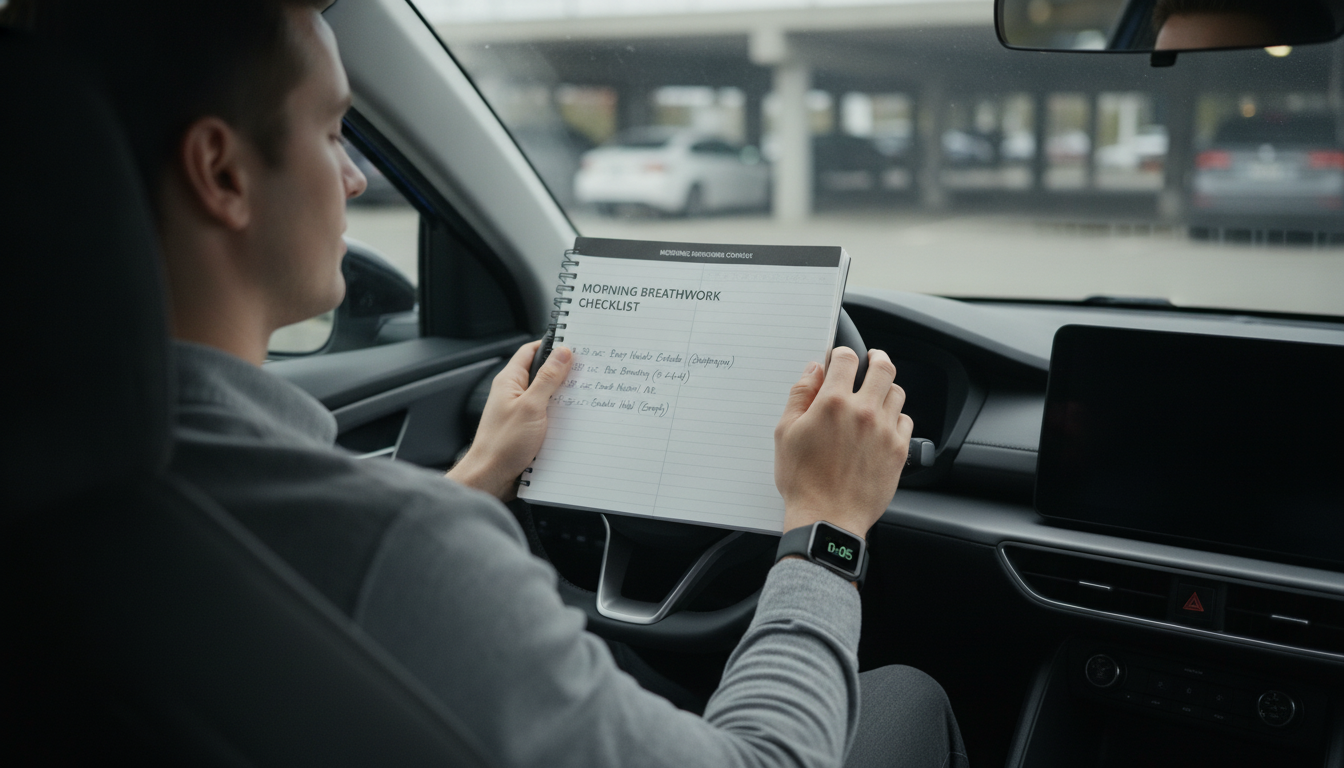
For a repeatable, no-fuss flow (including timing and a simple checklist), follow the steps in this guide: 5-minute morning breathwork checklist for energy.
For Best Breathing for Morning Energy (No Caffeine): Bellows, the best answer depends on fit, material, care instructions, and how the product will be used day to day.
FAQ
Is it okay to do breathwork right after waking up?
Yes—start gently, stay seated if you’re prone to dizziness, and keep stimulating techniques brief. If you have uncontrolled high blood pressure, panic disorder, or are pregnant, choose calming breaths and check with a clinician before doing forceful practices.









Leave a comment